
Blog

2026 Best Backward Curved Fans for Global Buyers?

2026 Best Backward Curved Fans for Global Buyers?

Choosing the right Backward Curved Fans in 2026 requires more than comparing catalogue airflow and motor power. Global buyers must examine pressure stability, energy efficiency, noise levels, materials, controls, and after-sales support. A fan that performs well in a clean laboratory may struggle in a dusty factory. Real operating conditions matter. Dr. Steven J. Hoff, a respected ventilation researcher, has expressed a practical principle: “Fan performance depends on the system, not the fan alone.” This idea should guide every purchasing decision. Buyers need to review the complete operating point, including airflow volume, static pressure, temperature, installation resistance, and expected running hours. Small details matter. A narrow duct, clogged filter, or poorly sealed housing can reduce actual performance. This guide reviews leading Backward Curved Fans for international applications, including HVAC systems, industrial ventilation, data centers, and process equipment. It considers direct-drive and belt-drive designs, EC motors, corrosion-resistant coatings, vibration control, and remote monitoring. Certification and documentation also deserve attention, especially when equipment crosses borders. Yet no ranking can fit every project. That is the uncomfortable part. Product data may look precise, while site conditions remain uncertain. Buyers should request verified fan curves, test standards, warranty terms, and sample calculations before committing. The best choice is not always the most powerful model. It is the model that delivers stable performance, manageable operating costs, and dependable service in the buyer’s actual environment.
Read more »
Charlotte By:Charlotte - November 1, 2026
Top Industrial Axial Fan Manufacturers in China

Top Industrial Axial Fan Manufacturers in China

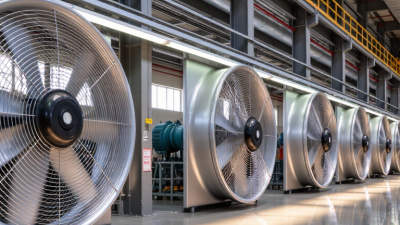
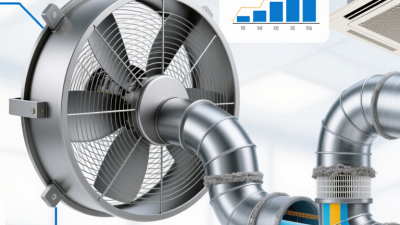
China has become a major production base for Industrial Axial Fans, serving factories, warehouses, power stations, tunnels, and agricultural facilities. This guide examines leading Chinese manufacturers through practical buying criteria, not attractive brochures alone. A reliable supplier should explain airflow volume, static pressure, motor efficiency, blade material, operating temperature, and expected service life. Those details matter when a fan must run beside a hot furnace or remove humid air from a chemical-processing hall. James Dyson, a well-known engineering innovator, once said, “It’s not failure if you learn from it.” His words apply to fan selection. An oversized impeller may consume unnecessary power, while an undersized unit may leave workers facing stagnant, overheated air. Real performance depends on system resistance, duct length, inlet conditions, controls, and maintenance access. The best Industrial Axial Fans are not always the loudest or most expensive models. This overview compares manufacturers by engineering capability, production experience, testing practices, customization options, and after-sales support. It considers whether suppliers provide performance curves, balancing records, motor documentation, and inspection evidence. Certifications can help, but they do not replace independent verification. That is an uncomfortable limitation. Some product claims remain difficult to compare because testing methods vary between factories. Buyers should request clear data, sample testing, and written warranty terms before placing a large order. A careful shortlist can reduce noise, energy waste, vibration, and costly downtime in demanding industrial environments.
Read more »
Ethan By:Ethan - October 27, 2026
How to Choose the Best Double Inlet Centrifugal Blowers

How to Choose the Best Double Inlet Centrifugal Blowers

Selecting the right Double Inlet Centrifugal Blowers begins with the system, not the catalogue. The U.S. Department of Energy reports that fan systems can represent a significant share of commercial and industrial electricity use. Its fan-system guidance also shows that improved design and controls can deliver substantial energy savings. AMCA International’s AMCA 210 standard provides the foundation for measuring airflow, pressure, power, and efficiency under controlled conditions. These details matter when comparing two blowers that look almost identical on paper. Performance must match the duty point. AMCA technical expert Mark Stevens has stated, “Fan performance cannot be separated from the system in which the fan operates.” This principle is easy to overlook. A blower may deliver impressive airflow at free discharge, yet struggle against a dirty filter, narrow duct, or sharp elbow. Selection should therefore examine required volume, static pressure, fan speed, motor efficiency, noise, vibration, and operating temperature. The U.S. Department of Energy and AHRI guidance both support evaluating equipment at realistic operating conditions, rather than relying only on maximum ratings. Small errors become expensive. A practical review should include the fan curve, system resistance curve, motor service factor, and expected operating hours. Double inlet designs can offer balanced loading and compact installation, but they are not automatically the best choice. Maintenance access, bearing life, inlet clearance, and control compatibility still require attention. The perfect selection rarely exists. A slightly conservative choice may reduce risk, while an oversized blower can waste energy and create unstable control. This guide explains how to compare evidence, question attractive specifications, and choose a dependable blower for its actual application.
Read more »
Ethan By:Ethan - October 22, 2026
7 Best Single Inlet Centrifugal Blowers for Global Buyers

7 Best Single Inlet Centrifugal Blowers for Global Buyers

Choosing the right Single Inlet Centrifugal Blowers can shape airflow, energy use, and maintenance costs. Global buyers face a crowded market. Product pages often highlight pressure figures without explaining test conditions. That gap can create expensive surprises. This guide examines seven strong blower options for international applications. We compare airflow, static pressure, motor efficiency, noise, construction, and service access. Practical details matter. A balanced impeller should run smoothly, without harsh vibration through the housing. Durable steel or aluminum can improve performance in dusty factories and commercial ventilation systems. Motor voltage, frequency, insulation class, and mounting direction also require careful checking. Small specification differences matter. Not every model suits every project. A compact blower may fit a tight cabinet but struggle under long duct resistance. A high-pressure unit may perform well yet consume more power than expected. We consider those trade-offs instead of presenting a perfect winner. That would be misleading. Selection should follow measured system resistance, operating temperature, duty cycle, and local electrical requirements. Buyers should verify certificates, warranty coverage, spare-part availability, and delivery terms with suppliers. Regional compliance can also affect installation approval. Our comparison uses manufacturer data, engineering principles, and practical purchasing concerns. Still, specifications can change between production batches. Treat this list as a starting point, not a final engineering approval.
Read more »
Charlotte By:Charlotte - October 17, 2026
Top Worm Geared Electric Motors for Global Buyers?

Top Worm Geared Electric Motors for Global Buyers?

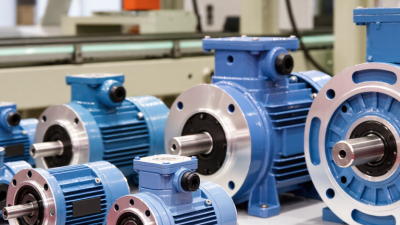
Top Worm Geared Electric Motors for Global Buyers? This question involves more than price, speed, or catalog size. Buyers must match torque, duty cycle, mounting position, voltage, enclosure rating, and service conditions. A compact conveyor motor may run smoothly in a clean warehouse but fail early beside dust, moisture, or frequent washdowns. Practical selection starts with the application. The International Energy Agency reports that electric motor systems consume roughly half of global electricity. Its Energy Efficiency reports also emphasize the value of efficient motors, controls, and properly sized equipment. The U.S. Department of Energy similarly identifies motor-driven systems as a major share of industrial electricity use. These findings make efficiency a purchasing issue, not a minor specification. IEC 60034-30-1 provides a recognized framework for motor efficiency classes, while IEC 60034 standards support broader performance and testing requirements. Market research firms, including Grand View Research and Fortune Business Insights, forecast continued growth across the global gear motor market. Their estimates vary, sometimes substantially. That difference deserves caution. Forecasts are not purchase guarantees. For global buyers, a reliable shortlist should compare rated output, gearbox ratio, backlash, thermal capacity, noise, IP protection, bearings, warranty terms, and documented compliance. Ask for test records. Verify the nameplate. This guide examines Worm Geared Electric Motors through that practical lens. It considers common industrial uses, supplier credibility, lifecycle cost, and regional support. Some rankings may remain debatable. That is intentional. The “best” motor depends on the load, environment, and maintenance reality—not a glossy product page.
Read more »
Charlotte By:Charlotte - October 12, 2026
China Top 10 Inline Helical Geared Motor Suppliers?

China Top 10 Inline Helical Geared Motor Suppliers?

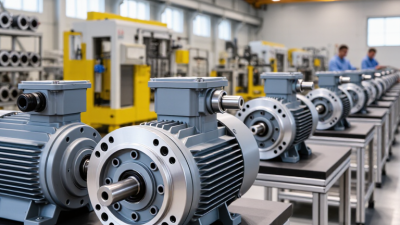
China has become a major manufacturing center for industrial transmission equipment, including Inline Helical Geared Electric Motors. These motors support conveyors, mixers, packaging lines, material-handling systems, and other applications requiring steady torque and compact installation. Their practical value depends on more than rated power. Gear ratio, service factor, thermal performance, noise level, sealing, and maintenance access all influence long-term results. This introduction outlines ten notable Chinese suppliers connected with inline helical geared motor production. The selection considers manufacturing experience, product range, technical documentation, customization capability, export history, certifications, and after-sales support. Factory scale alone is not enough. A supplier may offer impressive catalogs but limited engineering assistance. Another may provide strong customization but longer delivery times. These differences matter. Real purchasing decisions require careful verification. Buyers should review load calculations, shaft dimensions, brake options, protection ratings, and operating environments before comparing quotations. Sample testing can reveal vibration, temperature rise, and actual noise performance. Small details count. A clean gearbox housing, accurate mounting holes, and responsive technical replies often indicate stronger process control. The ranking should not be treated as an absolute judgment. Supplier quality can vary by model, production batch, and regional service team. Some information may also change as factories expand or update certifications. Therefore, this guide offers a practical starting point rather than a final verdict. It encourages readers to compare evidence, request complete specifications, and confirm performance under their own working conditions.
Read more »
Charlotte By:Charlotte - October 7, 2026
Top Centrifugal Blowers Manufacturers for Global Buyers

Top Centrifugal Blowers Manufacturers for Global Buyers

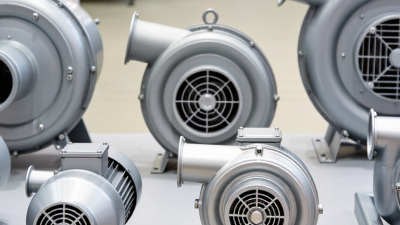
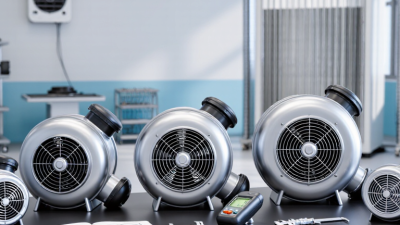
Choosing among the top Centrifugal Blowers manufacturers requires more than comparing catalogue prices. Global buyers need dependable airflow, stable pressure, efficient motors, and serviceable designs. A blower that performs well in a clean factory may struggle in dusty, humid, or high-temperature environments. The application always matters. This guide examines manufacturers through practical purchasing criteria. These include airflow range, static pressure, impeller balance, motor efficiency, bearing quality, vibration control, and enclosure protection. It also considers factory experience, quality systems, testing procedures, export capability, and technical documentation. Reliable suppliers should provide performance curves, material specifications, installation guidance, and clear warranty terms. Ask for test evidence. Small details can prevent expensive failures. Check voltage compatibility before ordering. Confirm the duty cycle and operating temperature. Review spare-parts availability, delivery times, and local technical support. Buyers should also verify applicable regional safety and electrical requirements with qualified professionals. Compliance expectations vary between markets, so a supplier’s confident statement is not enough. No manufacturer suits every project. A compact backward-curved blower may reduce energy use, while a robust industrial model may better tolerate demanding conditions. Price alone can mislead. The cheapest quotation may hide weaker bearings, limited documentation, or difficult maintenance access. This comparison aims to support informed decisions, not replace engineering review. Some supplier information can change, and published claims may deserve closer verification. That uncertainty should remain visible. Through careful evaluation, buyers can build a shortlist based on performance, reliability, lifecycle cost, and credible manufacturer support.
Read more »
Ethan By:Ethan - October 2, 2026
China Top Fractional Horsepower Electric Motor Suppliers

China Top Fractional Horsepower Electric Motor Suppliers

China’s fractional horsepower motor suppliers serve applications where compact size, steady operation, and dependable production matter. Fractional Horsepower Electric Motors appear in ventilation equipment, pumps, small appliances, medical devices, and automated systems. Their modest power rating does not make selection simple. A motor that looks suitable on paper may run hot, produce unwanted noise, or fail to match the equipment’s duty cycle. This guide introduces notable Chinese suppliers and the details buyers can compare. Look beyond catalog photos. Check rated voltage, speed, torque, insulation class, enclosure, operating temperature, and expected service life. Ask whether the supplier can provide test reports, product drawings, sample units, and clear manufacturing specifications. These details help verify that a motor suits the actual load, not just a general product description. Small differences matter. Supplier capability also deserves close attention. Review experience with the relevant motor type, quality-control practices, customization options, production capacity, and communication during technical discussions. Confirm how samples are tested and how design changes are documented. A polished website alone proves little. Independent checks and direct questions are useful, though they cannot remove every sourcing risk. Even a careful shortlist may need revision after sample testing. That is a practical limitation, not a reason to skip it. The strongest choice depends on the application, delivery requirements, and evidence each supplier can provide.
Read more »
Elowen By:Elowen - September 27, 2026
China Top 10 AC Shaded Pole Geared Motor Manufacturers

China Top 10 AC Shaded Pole Geared Motor Manufacturers

China has become a major sourcing center for compact motion-control components. Its manufacturers serve appliance, ventilation, automation, display, and light industrial markets. Among these products, AC Shaded Pole Geared Motors remain practical for low-speed applications requiring steady rotation and simple construction. This guide examines China’s top ten manufacturers through measurable purchasing criteria. These include torque consistency, gear ratio options, operating noise, thermal performance, production capacity, and quality-control procedures. It also considers customization support, sample response time, documentation, and after-sales communication. A reliable supplier should explain rated voltage, output speed, duty cycle, shaft dimensions, and service life clearly. Real-world details matter. A motor driving a damper should start smoothly, while a vending mechanism needs repeatable stopping and sufficient gear strength. Testing matters most. The ranking is not an absolute judgment. Supplier capabilities can change with equipment upgrades, material sourcing, export experience, and management decisions. Some companies may perform strongly on large-volume orders but respond slowly to small projects. Others may offer flexible engineering support while lacking broad international certification coverage. This guide therefore encourages buyers to verify samples, inspect test reports, review factory evidence, and compare actual performance before placing an order. The selected manufacturers represent useful starting points for professional evaluation, not automatic purchasing recommendations. Readers should also reconsider whether shaded-pole technology suits their load, efficiency target, noise requirement, and expected operating hours. A careful comparison can reduce hidden costs and improve long-term equipment reliability.
Read more »
Ethan By:Ethan - September 20, 2026
Top 10 AC Shaded Pole Motors for Global Buyers

Top 10 AC Shaded Pole Motors for Global Buyers

Choosing among the Top 10 AC Shaded Pole Motors for Global Buyers requires more than comparing prices or catalog ratings. These compact motors appear in refrigerator fans, air purifiers, exhaust units, display cabinets, and small heating systems. Their simple construction supports dependable operation, especially where low starting torque is acceptable. Yet “simple” does not mean universally suitable. Motor engineer Dr. John M. Miller offers a useful reminder: “The right motor is the one that fits the application, not merely the catalog.” This principle guides the review. Each AC Shaded Pole Motors option should be examined through voltage, frequency, speed, torque, thermal limits, noise, mounting dimensions, and expected service life. A 230-volt model may perform well in Europe, but it may need a different specification for a 120-volt North American system. Even small differences in shaft length or airflow direction can disrupt an otherwise sound design. A ranking can mislead. Global buyers also need to verify insulation class, safety documentation, production consistency, packaging quality, and supplier communication. These details often become visible only after samples run continuously in real equipment. The quietest motor may not deliver the strongest airflow. The cheapest unit may create higher replacement costs. Some product information may remain incomplete, and that deserves honest attention. This guide compares ten practical choices for international sourcing. It focuses on measurable performance, application fit, manufacturing credibility, and everyday reliability. Buyers should still test samples before placing large orders. No list replaces engineering judgment.
Read more »
Ethan By:Ethan - September 20, 2026
How to Choose Light Duty Tangential Blowers in 2026?

How to Choose Light Duty Tangential Blowers in 2026?

Choosing Light Duty Tangential Blowers in 2026 requires more than comparing airflow numbers. A blower may look efficient on paper yet perform poorly inside a narrow air curtain, compact heater, or small ventilation unit. Real selection begins with the operating environment. Measure the available space, required air volume, static pressure, noise limit, and expected running hours. Check the motor type, wheel diameter, housing material, and mounting direction. A reliable supplier should provide performance curves, electrical data, temperature limits, and inspection records. Do not rely on a single catalogue figure. Airflow changes when filters become dirty or outlet resistance increases. A practical test with the intended duct and grille can reveal problems early. Noise matters. In my experience, a slightly oversized blower often offers steadier performance, but oversizing can waste energy and create uncomfortable drafts. The best choice balances airflow, pressure, efficiency, service life, and purchase cost. Consider whether bearings, motors, and control components are replaceable. Ask how the manufacturer verifies vibration, insulation, and continuous operation. These details show professional quality more clearly than polished product images. Specifications still need judgment. Different suppliers may use different test conditions, making direct comparisons imperfect. That uncertainty should be acknowledged, not hidden. This guide explains the main selection factors for 2026, including application matching, energy use, acoustic performance, controls, maintenance, and supplier credibility. It aims to support a defensible decision based on measured requirements rather than assumptions.agext
Read more »
Charlotte By:Charlotte - September 20, 2026