

China’s fractional horsepower motor suppliers serve applications where compact size, steady operation, and dependable production matter. Fractional Horsepower Electric Motors appear in ventilation equipment, pumps, small appliances, medical devices, and automated systems. Their modest power rating does not make selection simple. A motor that looks suitable on paper may run hot, produce unwanted noise, or fail to match the equipment’s duty cycle.
This guide introduces notable Chinese suppliers and the details buyers can compare. Look beyond catalog photos. Check rated voltage, speed, torque, insulation class, enclosure, operating temperature, and expected service life. Ask whether the supplier can provide test reports, product drawings, sample units, and clear manufacturing specifications. These details help verify that a motor suits the actual load, not just a general product description. Small differences matter.
Supplier capability also deserves close attention. Review experience with the relevant motor type, quality-control practices, customization options, production capacity, and communication during technical discussions. Confirm how samples are tested and how design changes are documented. A polished website alone proves little. Independent checks and direct questions are useful, though they cannot remove every sourcing risk. Even a careful shortlist may need revision after sample testing. That is a practical limitation, not a reason to skip it. The strongest choice depends on the application, delivery requirements, and evidence each supplier can provide.
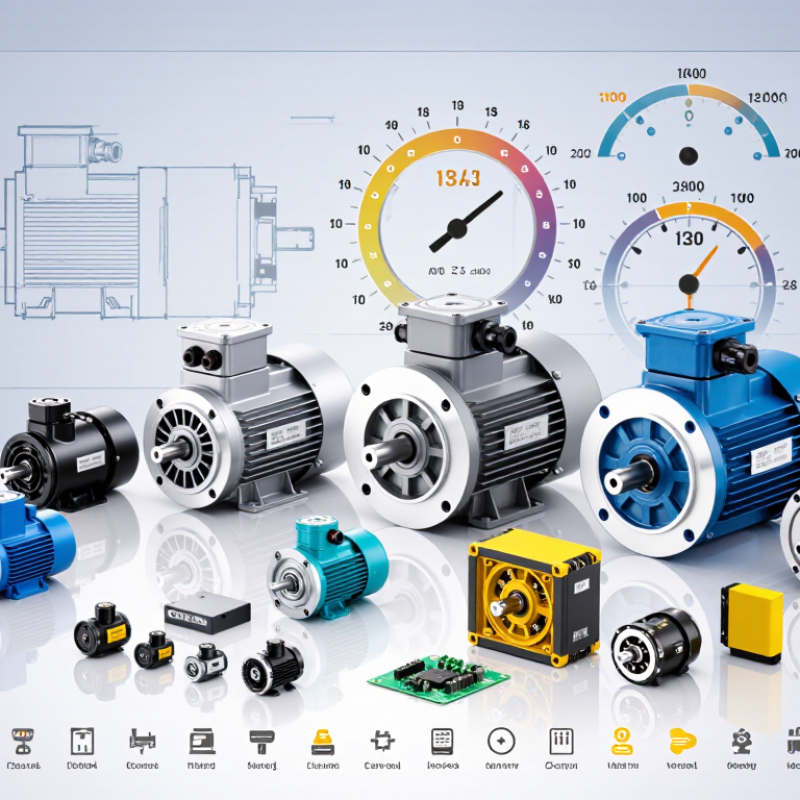
A fractional-horsepower motor is rated below 1 horsepower, equivalent to 746 watts of mechanical output. That figure refers to power at the shaft, not electricity drawn from the supply. A motor uses additional input energy as heat, friction, and sound. The difference matters when estimating operating costs or sizing a power supply. Small does not mean simple.
A 0.5 hp motor can provide about 373 watts of shaft power under rated conditions. Actual output depends on load, voltage, speed, cooling, and duty cycle. In a workshop, a motor driving a small fan may run steadily, while one powering a geared mechanism faces changing torque demands. Check the nameplate rating, rated speed, insulation class, and permitted operating time. A compact frame alone tells you little.
When comparing suppliers in China, request a datasheet that states whether power is rated output and identifies test conditions. Ask for dimensions, shaft details, starting current, and efficiency data. Confirm that the motor suits the real load, not just the advertised horsepower. One point is easy to miss: intermittent use can still create heat during frequent starts. I would verify that detail rather than assume a small motor stays cool.
China’s fractional horsepower motor suppliers serve a wide range of equipment, from compact ventilation fans to dosing pumps and household appliances. Their offerings often differ more by motor type and production capability than by headline power rating. Small AC induction motors suit steady-duty fans and simple machinery. Brushless DC designs are common where speed control, lower noise, or compact size matters. Shaded-pole motors remain useful in basic, low-power airflow applications. The fit matters.
Application shapes the specification. A motor for a circulation pump may need reliable starting torque and protection against moisture. A cabinet fan may prioritize quiet operation, balanced rotors, and predictable airflow. For automated equipment, buyers often compare speed range, thermal limits, mounting dimensions, and control compatibility. Geared fractional horsepower motors add torque at low speed, but gearbox efficiency and backlash deserve attention. Not always obvious.
Supplier capabilities can vary across winding, machining, assembly, and testing. Some factories focus on standardized models; others support custom shafts, brackets, or electrical parameters. Ask for test reports tied to the intended load, not just unloaded performance figures. Sample testing under real operating conditions is valuable, especially for heat, vibration, and startup behavior. A neat supplier map can mislead: motor category alone does not establish application suitability, and specifications may need clarification before production.
Common motor-type and application pairings
The chart maps motor types commonly offered by suppliers to typical fractional-horsepower applications. A value of 1 indicates a common pairing; 0 means it is not a typical pairing, not that it is technically impossible. This is an application guide, not supplier-count or market-share data.
China’s fractional horsepower motor suppliers serve appliance makers, ventilation firms, pumps, and small machinery producers. Their ranges commonly include single-phase induction motors, shaded-pole motors, and compact permanent-magnet designs. Buyers can compare frame sizes, rated voltage, speed, insulation class, and mounting options. These details matter when a motor must fit a tight housing or run quietly beside a living space.
Export-focused suppliers may offer customized shafts, wiring, thermal protection, and packaging for overseas shipments. Some support sample testing and production inspections, while others focus on standard models with shorter lead times. Ask for datasheets, test reports, and clear explanations of duty ratings. A polished catalog is useful, but it cannot replace checking a sample under the intended load. Small differences count.
Supplier profiles should also describe monthly capacity, quality-control steps, and experience with the destination market. Confirm how specifications are recorded and how design changes are approved. Request a sample carton’s dimensions and weight; freight estimates can shift quickly. Communication quality is part of delivery reliability, though it is easy to overlook. One weakness remains: published export claims may not show how consistently a supplier handles repeat orders. Verify references and records where possible.
Fractional-horsepower motors may look similar on a supplier’s specification sheet, but their control methods shape real-world performance. AC induction motors suit fans and pumps that need steady, durable operation. Add a variable-frequency drive when adjustable speed matters. Brushed DC motors offer straightforward speed and torque control, though brushes wear and need service. BLDC motors replace mechanical commutation with electronic control, supporting efficient, compact designs. They do require a compatible controller. Stepper motors move in defined increments, making them useful for positioning small actuators. Under changing loads, however, an open-loop stepper can miss steps. Not always obvious.
The U.S. Department of Energy’s 2014 report, Improving Motor and Drive System Performance, estimates that motor-driven systems use about 68% of electricity consumed in U.S. manufacturing. That figure covers systems broadly, not fractional-horsepower motors alone, but it shows why matching motor and load matters. Compare torque across the operating-speed range, starting current, duty cycle, noise, and heat rise—not just rated power. A small pump running for hours has different needs from a short-cycle door actuator. Supplier testing data can help, yet test conditions may not match your installation. I would check the actual load profile before choosing a motor type; that step is easy to skip.
Fractional-horsepower motor selection starts with a useful boundary: IEC 60034-30-1:2014 covers rated outputs from 0.12 to 1,000 kW, roughly 0.16 hp to 1,341 hp. It defines IE efficiency classes for specified single-speed AC motors; it does not automatically cover every small motor design. Check the motor’s rating, pole count, supply frequency, and operating conditions against the standard’s scope. The standard provides a common efficiency benchmark, while applicable regulations vary by market.
Efficiency has system-wide consequences. The International Energy Agency’s 2011 report, Energy-Efficiency Policy Opportunities for Electric Motor-Driven Systems, estimates that motor-driven systems use about 45% of global electricity. For buyers, an IE class is only one part of the decision: compare efficiency at the expected load, then confirm voltage, duty cycle, mounting, and enclosure details. Small details matter. Ask suppliers for test documentation and clear nameplate data, not just a catalog claim. In practice, paperwork can still be messy, and a higher class may not guarantee lower energy use in every application. Check the actual operating profile before choosing.
It describes a motor rated below one horsepower, or 746 watts of shaft output. Electrical input is higher because some energy becomes heat, friction, and sound.
That is its approximate rated shaft output under stated conditions. Actual output can change with load, voltage, speed, cooling, and operating time.
Check rated power, speed, voltage, insulation class, and permitted duty cycle. A small frame does not reveal much by itself.
AC induction motors suit steady fans and pumps. Brushed DC motors allow simple control but need brush maintenance. BLDC motors need compatible electronic controllers. Stepper motors position in increments, but changing loads can cause missed steps.
Starting repeatedly can create heat, even during intermittent use. Not always obvious. Check the permitted duty cycle instead of assuming the motor stays cool.
Ask for a datasheet with test conditions, output rating, dimensions, shaft details, starting current, and efficiency data. Match these details to the real load, not just the advertised horsepower.
No. Efficiency depends on the operating load and the complete motor system. A higher class may not reduce energy use in every application; I would check the actual load profile.
No. Its stated range is 0.12 to 1,000 kW, and it applies to specified single-speed AC motors. Check the motor’s rating, pole count, supply frequency, and operating conditions.
Fractional Horsepower Electric Motors are rated below one horsepower, or 746 watts, and serve applications where compact size and controlled output matter. China’s supplier landscape spans manufacturers focused on AC, DC, brushless DC, and stepper designs, supplying motors for equipment such as pumps, fans, appliances, automation systems, and small machinery. Suppliers may differ in production scale, customization options, testing capacity, and export support, so buyers should compare specifications and service capabilities alongside price.
Each motor type suits different operating needs: AC motors are commonly selected for straightforward, continuous operation; DC motors offer accessible speed control; BLDC motors can provide efficient, low-maintenance performance; and stepper motors enable precise positioning. Efficiency and compliance should also be considered during selection. IEC 60034-30-1 addresses efficiency classes for specified electric motors within its stated power range, from 0.12 to 1,000 kW. Because fractional-horsepower motors may fall below that range, buyers should verify which standards and efficiency requirements apply to the specific motor and application.