Choosing Light Duty Tangential Blowers in 2026 requires more than comparing airflow numbers. A blower may look efficient on paper yet perform poorly inside a narrow air curtain, compact heater, or small ventilation unit. Real selection begins with the operating environment. Measure the available space, required air volume, static pressure, noise limit, and expected running hours.
Check the motor type, wheel diameter, housing material, and mounting direction. A reliable supplier should provide performance curves, electrical data, temperature limits, and inspection records. Do not rely on a single catalogue figure. Airflow changes when filters become dirty or outlet resistance increases. A practical test with the intended duct and grille can reveal problems early.
Noise matters.
In my experience, a slightly oversized blower often offers steadier performance, but oversizing can waste energy and create uncomfortable drafts. The best choice balances airflow, pressure, efficiency, service life, and purchase cost. Consider whether bearings, motors, and control components are replaceable. Ask how the manufacturer verifies vibration, insulation, and continuous operation. These details show professional quality more clearly than polished product images.
Specifications still need judgment. Different suppliers may use different test conditions, making direct comparisons imperfect. That uncertainty should be acknowledged, not hidden. This guide explains the main selection factors for 2026, including application matching, energy use, acoustic performance, controls, maintenance, and supplier credibility. It aims to support a defensible decision based on measured requirements rather than assumptions.agext
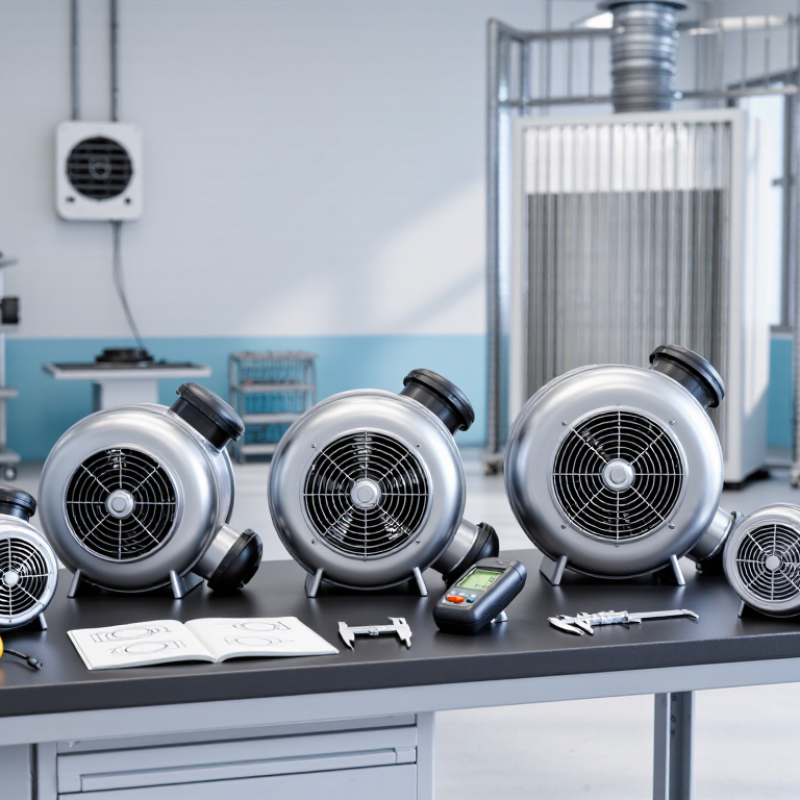
Understanding Light Duty Tangential Blower Design and Applications
How to Choose Light Duty Tangential Blowers in 2026?
Understanding Light Duty Tangential Blower Design and Applications
Light duty tangential blowers use a long, cylindrical impeller to move air across its width. Air enters near the wheel and exits in a broad, even stream. This design suits compact heaters, air curtains, display cabinets, and electronics enclosures. It offers consistent airflow with limited installation depth. However, performance depends on wheel diameter, outlet shape, motor speed, and system resistance. A blower that seems powerful may lose airflow through a narrow grille.
In 2026, selection should consider energy use, acoustic comfort, control compatibility, and thermal protection. Choose the airflow and pressure from measured system requirements, not a catalogue headline. Check the expected duty cycle, ambient temperature, mounting position, and available space. A sensor-ready motor can support smarter speed control, but only when the control system is properly matched. I have seen compact blowers underperform because installers ignored filter loading. That mistake is easy to repeat.
Tips: Measure airflow at the outlet. Test noise after installation. Leave room for cleaning. Confirm the motor’s rated temperature. For dusty environments, review protection requirements carefully. A perfect paper specification can still fail in a real enclosure.
Defining Airflow, Pressure, Noise, and Power Requirements
How to Choose Light Duty Tangential Blowers in 2026?
Choosing a light duty tangential blower starts with the actual airflow requirement. Measure the needed volume in cubic meters per hour, not only the outlet size. Then estimate system pressure in pascals, including grilles, filters, bends, and narrow channels. A blower that moves 180 m³/h freely may deliver far less at 120 Pa. The duty point matters more than the maximum airflow figure.
Noise and power also shape a practical selection. For offices, kiosks, and compact appliances, compare sound levels in dBA at the same distance and operating speed. A small increase in pressure can create noticeable motor noise. Check input power, voltage tolerance, thermal protection, and expected operating hours. My early selections sometimes focused too heavily on airflow. Real installations exposed the mistake.
Tips: Draw the air path first. Measure pressure losses where possible. Leave a small performance margin, but do not oversize blindly. Test the blower inside the finished enclosure, because panels can amplify vibration and noise.
Review the manufacturer’s performance curve and confirm the working point under load. Ask for test conditions, since laboratory airflow values may not match installation results. Inspect mounting stiffness, rotor clearance, and cleaning access. A quiet blower can become noisy when dust collects or a loose panel starts vibrating. Document the measured airflow, pressure, sound, and power after installation. That record makes later adjustments more reliable.
How to Choose Light Duty Tangential Blowers in 2026? - Defining Airflow, Pressure, Noise, and Power Requirements
Typical engineering selection ranges for light-duty tangential blowers. Actual performance depends on impeller geometry, system resistance, inlet conditions, voltage, and operating temperature; confirm final values with the blower performance curve.
| Application Duty |
Typical Airflow |
Required Static Pressure |
Typical Noise Target |
Input Power |
Common Electrical Supply |
Typical Impeller Diameter |
Recommended Selection Margin |
| Low-airflow ventilation |
20–60 m³/h
12–35 CFM |
20–60 Pa
0.08–0.24 in. H₂O |
≤45 dB(A) |
5–15 W |
12, 24, or 48 V DC |
40–60 mm |
10–15% above calculated airflow |
| Compact electronics cooling |
60–120 m³/h
35–71 CFM |
60–150 Pa
0.24–0.60 in. H₂O |
45–55 dB(A) |
10–30 W |
12 or 24 V DC |
50–70 mm |
15–20% above calculated airflow |
| Display and cabinet airflow |
100–220 m³/h
59–129 CFM |
100–250 Pa
0.40–1.00 in. H₂O |
50–60 dB(A) |
20–60 W |
24 V DC or 100–240 V AC |
60–90 mm |
20% above calculated airflow |
| Air curtains and appliance heating |
180–350 m³/h
106–206 CFM |
150–350 Pa
0.60–1.40 in. H₂O |
55–65 dB(A) |
40–100 W |
24 V DC or 100–240 V AC |
80–120 mm |
20–25% above calculated airflow |
| Light-duty HVAC terminal unit |
250–500 m³/h
147–294 CFM |
250–500 Pa
1.00–2.00 in. H₂O |
55–68 dB(A) |
60–150 W |
100–240 V AC or 24 V DC |
100–150 mm |
25% above calculated airflow |
| Long-slot air distribution |
350–700 m³/h
206–412 CFM |
300–650 Pa
1.20–2.60 in. H₂O |
60–72 dB(A) |
100–250 W |
100–240 V AC |
120–180 mm |
25–30% above calculated airflow |
Selection checklist:
Define the required airflow at the operating pressure, measure the complete system resistance, compare sound-pressure levels at the same distance, check continuous-duty power consumption, and verify motor thermal limits, mounting space, inlet/outlet orientation, speed control, and compliance requirements.
Comparing Motor Types, Materials, and Performance Ratings
Choosing a light-duty tangential blower starts with the motor, not the catalogue photo. Shaded-pole motors suit low-cost, fixed-speed airflow, but they often deliver modest efficiency. Permanent-split capacitor motors improve starting torque and control. EC or BLDC motors usually provide better efficiency, especially with variable-speed operation. The International Energy Agency estimates that electric motor systems consume about 46% of global electricity. Small efficiency gains still matter.
Material selection changes service life. Galvanized steel handles heat and vibration well, while aluminum reduces rotating mass and may simplify installation. Engineering polymers resist corrosion, but some soften near elevated temperatures. Check the impeller balance, housing rigidity, and bearing design. A thin housing can create an irritating hum. It may pass a basic test, yet fail in a quiet enclosure.
Compare airflow, static pressure, input power, noise, and duty-cycle ratings at the same operating point. AMCA 210 provides recognized laboratory methods for fan airflow and pressure testing. IEC 60034-30-1 defines motor efficiency classes, including IE3 and IE4. Do not compare free-air flow with loaded performance. That mistake is common. A blower rated at 180 m³/h may deliver far less through a restrictive filter. Measure the real pressure drop, allow thermal margin, and question ratings without test conditions.
Checking Installation Conditions, Controls, and Safety Features
How to Choose Light Duty Tangential Blowers in 2026?
Checking Installation Conditions, Controls, and Safety Features
A light duty tangential blower should match the actual installation, not only the catalog airflow. Measure the available space, outlet direction, duct resistance, and expected operating hours. A narrow heater compartment may need a compact wheel, while a longer air path can require higher static pressure. Check the surrounding temperature carefully. Heat near the motor can reduce service life. I have seen oversized units create unnecessary noise and vibration. Bigger is not always better.
Mounting details deserve practical attention. Use a rigid, level surface and leave enough clearance for cleaning and inspection. Soft supports can reduce vibration, but they must not block cooling openings. Confirm the electrical supply, frequency, current rating, and rotation direction before commissioning. For variable-speed systems, choose controls that provide stable low-speed operation. Cheap controllers may cause humming, uneven airflow, or motor heating. This is easy to overlook.
Safety features should include an accessible disconnect, overload protection, secure wiring, and a guard around moving parts. Grounding must be verified, not assumed. If the blower operates in a dusty or humid area, check its enclosure suitability and cleaning requirements. Never place combustible materials near hot components. During testing, listen for rubbing, pulsing, or unusual bearing noise. Stop early. A minor sound can become an expensive failure. I still recommend recording voltage, current, temperature, and airflow during the first inspection, although real installations rarely behave perfectly. That record makes later troubleshooting faster and more reliable.
How to Choose Light Duty Tangential Blowers in 2026?
Checking installation conditions, controls, and safety features
The chart uses a practical 1–5 engineering priority scale. Confirm airflow and static pressure first, then match electrical controls, operating temperature, mounting space, overload protection, grounding, and enclosure protection to the application.
Evaluating Suppliers, Maintenance Needs, and Total Operating Cost
Choosing a light duty tangential blower in 2026 requires more than comparing catalog prices.
A reliable supplier should provide airflow curves, pressure data, motor efficiency figures, and test conditions. Ask how each figure was measured. Vague claims create expensive surprises. Request sample units or a supervised trial when the blower serves ovens, cabinets, or compact ventilation equipment. During testing, record sound levels, inlet temperature, vibration, and power draw at the actual operating point. That evidence is more useful than polished sales language.
Supplier support matters after installation.
Check spare-part availability, warranty exclusions, response times, and technician access before signing an order. A low purchase price can become costly when a bearing, impeller, or controller takes weeks to replace. Maintenance planning should include filter cleaning, fastener checks, electrical inspection, and vibration trending. In dusty rooms, a blocked inlet may raise temperature and shorten motor life. Keep a simple log with running hours and measured current. It is not sophisticated, but it often exposes decline early.
Calculate total operating cost across the expected service period.
Include electricity, scheduled labor, downtime, replacement parts, installation, and disposal. A slightly efficient motor may save more each year than its higher purchase price. Yet efficiency estimates can mislead if the blower is oversized and throttled continuously. Review the duty cycle, not just the maximum rating. I would also leave room for uncertainty. Real workshops are rarely as clean or stable as design drawings suggest. A supplier willing to discuss failure modes, data limits, and corrective actions is usually easier to trust.
FAQS
It uses a long cylindrical impeller to move air across its width. Air enters near the wheel and exits evenly. This design fits shallow spaces.
They suit compact heaters, air curtains, display cabinets, and electronics enclosures. They work well where installation depth is limited.
Measure required airflow in cubic meters per hour at the actual outlet. Do not rely only on grille size. Test the finished enclosure.
Grilles, filters, bends, and narrow channels create resistance. A blower rated at 180 m³/h freely may deliver much less at 120 Pa.
Compare sound levels at the same distance and speed. Check input power, voltage tolerance, thermal protection, and operating hours. Quiet on paper is not always quiet after installation.
Measure available space, outlet direction, duct resistance, and surrounding temperature. Use a rigid, level mounting surface. Leave cleaning clearance.
Variable-speed systems need controls with stable low-speed operation. Poorly matched controllers may cause humming, uneven airflow, or motor heating. This mistake is easy to repeat.
Confirm disconnect access, overload protection, secure wiring, grounding, and moving-part guards. Check enclosure suitability in dusty or humid areas. Stop when rubbing or pulsing appears.
Record airflow, pressure, voltage, current, temperature, sound, and power. Test after filters and panels are installed. Real systems often behave differently.
Do not choose by maximum airflow alone. A larger blower may add noise and vibration without solving resistance problems. I have made that assumption before.
Conclusion
Choosing Light Duty Tangential Blowers in 2026 requires a clear understanding of how their compact, elongated impeller design produces a smooth and broad airflow for applications such as air curtains, cooling systems, drying equipment, and compact ventilation units. Start by defining the required airflow volume, static pressure, acceptable noise level, and available power supply. These factors determine the appropriate blower size and help prevent inefficient operation or insufficient performance.
Next, compare motor options, housing and impeller materials, efficiency ratings, and expected service life. Confirm that the blower suits the installation environment, including temperature, humidity, mounting space, and airflow direction. Useful controls may include speed regulation, thermal protection, and automatic shutoff features. Finally, evaluate suppliers based on technical support, product consistency, spare-part availability, maintenance requirements, warranty terms, and total operating cost. A well-matched blower should provide reliable airflow, manageable noise, easy maintenance, and efficient long-term operation.