China has become a major manufacturing center for industrial transmission equipment, including Inline Helical Geared Electric Motors. These motors support conveyors, mixers, packaging lines, material-handling systems, and other applications requiring steady torque and compact installation. Their practical value depends on more than rated power. Gear ratio, service factor, thermal performance, noise level, sealing, and maintenance access all influence long-term results.
This introduction outlines ten notable Chinese suppliers connected with inline helical geared motor production. The selection considers manufacturing experience, product range, technical documentation, customization capability, export history, certifications, and after-sales support. Factory scale alone is not enough. A supplier may offer impressive catalogs but limited engineering assistance. Another may provide strong customization but longer delivery times. These differences matter.
Real purchasing decisions require careful verification. Buyers should review load calculations, shaft dimensions, brake options, protection ratings, and operating environments before comparing quotations. Sample testing can reveal vibration, temperature rise, and actual noise performance. Small details count. A clean gearbox housing, accurate mounting holes, and responsive technical replies often indicate stronger process control.
The ranking should not be treated as an absolute judgment. Supplier quality can vary by model, production batch, and regional service team. Some information may also change as factories expand or update certifications. Therefore, this guide offers a practical starting point rather than a final verdict. It encourages readers to compare evidence, request complete specifications, and confirm performance under their own working conditions.
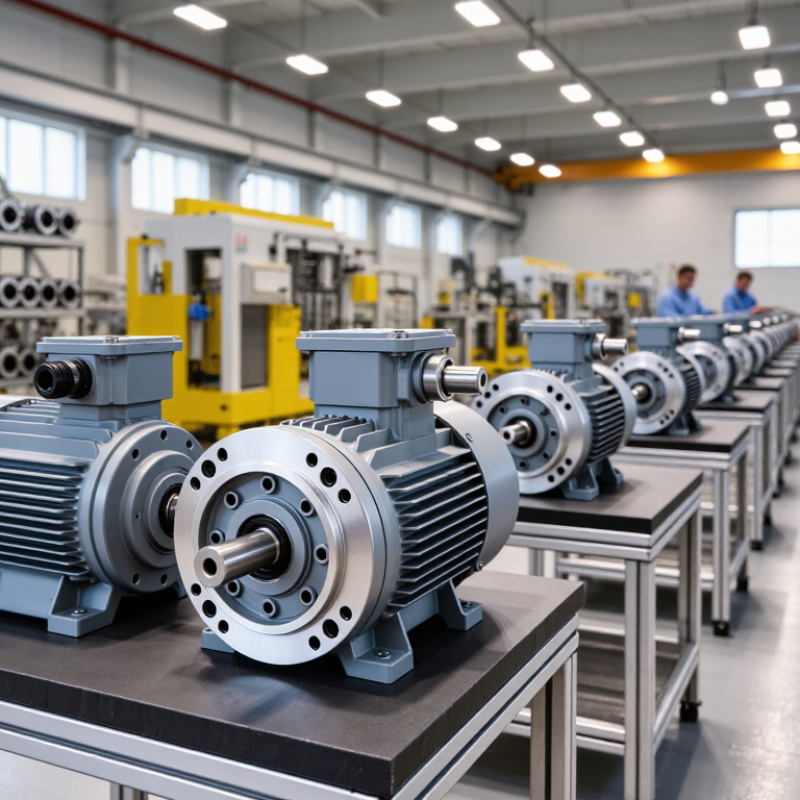
Inline helical geared motors combine an electric motor and a helical gearbox on one straight axis. Angled teeth engage gradually, reducing shock, vibration, and operating noise. The design suits conveyors, packaging lines, mixers, and automated handling equipment.
Efficiency matters. The International Energy Agency reports that electric motor systems use about 70% of industrial electricity. A small efficiency loss can therefore become a large operating cost. Helical gearboxes often deliver efficient torque transmission, especially when correctly lubricated and loaded. Actual performance depends on gear ratio, motor size, duty cycle, and installation alignment. Bigger is not always better.
A 2024 report from Fortune Business Insights placed the global gear motor market on a continuing growth path, supported by factory automation and material-handling demand. Market estimates vary because researchers classify geared motors differently. That inconsistency deserves attention. Engineers should check rated torque, service factor, thermal limits, ingress protection, noise levels, and maintenance access before comparing suppliers. In practical testing, shaft alignment and oil temperature can reveal problems that catalog figures hide. A reliable supplier should provide test records, dimensional drawings, efficiency data, and traceable quality procedures.
China Top 10 Inline Helical Geared Motor Suppliers?
Choosing among Chinese inline helical geared motor suppliers requires more than comparing prices. Check the supplier’s manufacturing experience, engineering staff, and quality-control process. Ask for factory photos, production records, and traceable inspection reports. A reliable supplier should explain gear materials, bearing sources, lubrication methods, and housing tolerances clearly.
Request a sample motor matching your actual load, speed ratio, duty cycle, and mounting position. Measure noise, vibration, temperature rise, and oil leakage during testing. Review the motor’s efficiency data under realistic conditions, not only laboratory conditions. Confirm available certifications, export documents, warranty terms, and spare-parts support. Communication matters too. Slow technical replies may become costly after installation.
Tips: Compare at least three suppliers using the same technical specification. Ask for a video inspection or an independent factory audit. Check whether test reports include dates, equipment details, and measurable results. Do not accept vague promises about delivery or lifetime performance.
A strong supplier welcomes difficult questions and admits product limits. That honesty is useful. No checklist is perfect, and even experienced buyers can miss small details, such as shaft-key dimensions or unsuitable oil grades. Recheck drawings before approval. Also, verify packaging with real photographs, especially when motors will travel through humid or dusty routes. A polished website proves little; consistent evidence proves more.
| Supplier Profile | Inline Helical Gearbox Configuration | Typical Motor Power | Typical Output Torque | Common Reduction Ratio | Housing and Protection | Motor and Gear Standards | Key Evaluation Evidence | Indicative Evaluation Score |
|---|---|---|---|---|---|---|---|---|
| Supplier Profile 01 | Parallel-shaft and inline helical options; modular gear stages | 0.12–30 kW | 50–3,000 N·m | 3:1–289:1 | Cast-iron gearbox; IP55 motor configuration commonly available | IEC motor dimensions; ISO 9001 production system requested | Load-test report, gear-material certificate, dimensional drawing, warranty terms | 92/100 |
| Supplier Profile 02 | Compact helical inline units for conveyors and packaging machinery | 0.18–22 kW | 40–2,000 N·m | 3.5:1–200:1 | Aluminum or cast-iron housing; IP55–IP66 options | IEC 60034 motor framework; CE documentation should be verified | Noise data, thermal rating, shaft runout, sample inspection record | 90/100 |
| Supplier Profile 03 | High-torque helical gearmotors for material-handling equipment | 0.37–45 kW | 100–5,500 N·m | 4:1–250:1 | Heavy-duty cast-iron housing; oil-bath lubrication | IEC frame sizes; efficiency class and test method must be documented | Continuous-duty test, bearing-brand disclosure, oil-seal specification | 89/100 |
| Supplier Profile 04 | Small and medium inline helical gearmotors for automation systems | 0.09–15 kW | 20–1,200 N·m | 3:1–180:1 | Aluminum housing for small frames; IP54–IP65 configurations | IEC mounting formats; EMC and low-voltage compliance documents required | Backlash measurement, vibration report, motor efficiency data, sample approval | 87/100 |
| Supplier Profile 05 | Food-processing-oriented gearmotors with hygienic surface options | 0.25–30 kW | 60–3,200 N·m | 4:1–220:1 | Painted or stainless-steel external components; IP65–IP66 options | IEC motor standards; food-contact and washdown claims require evidence | Surface-finish specification, washdown test, seal material, corrosion test | 86/100 |
| Supplier Profile 06 | Cost-focused standard inline helical units for general machinery | 0.12–18.5 kW | 30–1,500 N·m | 3:1–160:1 | Aluminum or cast-iron housing; IP55 is commonly specified | IEC frame compatibility; certification scope must be checked per model | Bill of materials, incoming inspection plan, spare-parts list, warranty policy | 83/100 |
| Supplier Profile 07 | High-ratio inline helical gearmotors for low-speed applications | 0.18–37 kW | 70–4,000 N·m | 5:1–300:1 | Cast-iron housing; optional brake motor and forced cooling | IEC motor mounting; efficiency and duty-cycle data should be independently checked | Ratio accuracy, thermal performance, brake response, endurance test | 84/100 |
| Supplier Profile 08 | Washdown and outdoor-use configurations for pumps and conveyors | 0.25–22 kW | 60–2,400 N·m | 4:1–250:1 | IP65–IP66 options; corrosion-resistant coating available by specification | IEC 60034-based motor data; ingress rating must be verified by test report | IP test certificate, coating thickness, salt-spray result, cable-gland rating | 82/100 |
| Supplier Profile 09 | Customized inline gearmotors for OEM equipment integration | 0.12–45 kW | 30–5,000 N·m | 3:1–280:1 | Housing, flange, shaft, and brake options configurable | IEC dimensions; technical-file and conformity documentation required | Engineering change control, prototype approval, CAD files, repeatability data | 81/100 |
| Supplier Profile 10 | Entry-level inline helical gearmotors for light industrial duty | 0.06–11 kW | 15–800 N·m | 3:1–140:1 | Aluminum housing; IP54–IP55 configurations commonly offered | IEC-compatible mounting; model-specific compliance verification needed | Factory audit, sample teardown, efficiency test, service response time | 78/100 |
Evaluation scores are benchmark scores based on technical documentation, testing capability, customization, quality control, certification evidence, and after-sales support. Actual specifications, certifications, protection ratings, efficiency classes, lead times, and prices should be confirmed for the exact model and purchase order.
China’s top ten inline helical geared motor suppliers are competing in a market shaped by efficiency, compact design, and dependable production. Grand View Research estimates that the global gear motors market was worth over USD 20 billion in 2023, with steady growth expected through 2030. The International Energy Agency also reports that electric motor systems consume roughly half of global electricity. That figure makes gearbox efficiency more than a purchasing detail.
Strong Chinese suppliers usually provide coaxial helical units for conveyors, packaging lines, mixers, and automated storage equipment. Buyers should examine rated torque, service factor, thermal capacity, shaft tolerances, and continuous-duty performance. Ask for test records. Real experience matters. A factory may quote a high efficiency figure, yet omit losses from seals, bearings, and the inverter. That omission can change operating costs.
The leading ten should also be compared through production evidence, not catalog language. Useful checks include ISO 9001 systems, gear-hardening records, noise measurements, IP protection, and traceable load testing. According to the U.S. Department of Energy, better motor-system efficiency can reduce industrial energy use significantly, especially under long operating hours. Still, efficiency claims need operating conditions. No gearbox performs perfectly in every installation. Sampling products, reviewing failure data, and checking after-sales response remain essential. Some comparisons still rely too heavily on price, which is a weakness worth questioning.
China’s top ten inline helical geared motor suppliers differ in more than price. Experienced buyers compare torque output, reduction ratios, efficiency, noise, and shaft arrangements. A compact motor may fit a conveyor, while a higher-torque model suits mixers, packaging lines, or warehouse equipment. Check duty cycles carefully. Continuous operation changes the selection.
Product quality should be linked to evidence. Suppliers with ISO 9001 systems usually document production controls and inspection records. CE conformity may support certain export markets, but its scope must match the actual motor. Ask for test reports, ingress protection ratings, thermal data, and material specifications. IEC-based measurements also improve comparison accuracy. Certification names alone are not enough.
Application knowledge separates a useful supplier from a catalog seller. Ask whether engineers can calculate load, service factor, starting torque, and ambient temperature. Installation drawings should show dimensions clearly. After-sales service matters too, including spare seals, replacement bearings, troubleshooting, and response times. Remote technical support can reduce costly downtime. Factory audits provide stronger evidence than polished websites.
No comparison is perfect. Some published efficiency figures seem optimistic under ideal conditions. Request operating data from a similar installation, preferably with several months of use. Custom flanges, hollow shafts, brakes, and variable-speed compatibility can add value, but they may extend delivery times. Evaluate warranty terms, inspection procedures, lead time, packaging, and communication before placing a trial order.
Choosing among China’s top 10 inline helical geared motor suppliers requires more than comparing prices. Start with your operating conditions: motor power, output torque, reduction ratio, duty cycle, mounting position, and ambient temperature. Ask each supplier for matching technical drawings and a written performance range. A lower quotation may hide unsuitable bearings, weak seals, or limited cooling capacity.
Request a sample before placing a large order. Measure noise, vibration, temperature rise, and shaft backlash during continuous operation. Check whether the supplier performs load testing and keeps traceable inspection records. Reliable manufacturers should explain material grades, gear treatment, lubrication standards, and protection ratings clearly. Factory video calls can help, but an independent audit provides stronger evidence. Photos are not enough.
Communication quality matters as much as engineering. Confirm response times, spare-part availability, warranty limits, packaging details, and delivery procedures in writing. Ask how the supplier handles a failed motor after installation. Their answer often reveals practical experience. I once focused too heavily on unit cost and overlooked replacement lead time; that decision created avoidable downtime. Suppliers may also promise customization too quickly. Request drawings, prototypes, and approval checkpoints before accepting those promises. A careful shortlist should include documented testing, stable production capacity, honest limitations, and service that remains dependable after payment.
Review manufacturing experience, engineering staff, and quality-control procedures. Ask for factory photos, production records, and traceable inspection reports. Evidence matters more.
Give at least three suppliers the same technical specification. Compare torque, reduction ratio, efficiency, noise, delivery time, and warranty terms. Price alone misleads.
Provide load, speed ratio, duty cycle, mounting position, ambient temperature, and shaft arrangement. Continuous operation needs different thermal capacity than occasional use. Small details matter.
Test a sample under your real load and operating speed. Measure noise, vibration, temperature rise, and oil leakage. Check starting and continuous performance. Test it yourself.
Efficiency data depends on load, seals, bearings, lubrication, and inverter losses. Ask for test conditions, equipment details, dates, and measurable results. Ideal laboratory figures may look optimistic.
Request relevant conformity documents, ingress protection ratings, thermal data, and material specifications. Confirm that each certification applies to the actual motor model. A certificate alone proves little.
Ask engineers to calculate load, service factor, starting torque, and ambient-temperature limits. Review clear installation drawings, including shaft-key dimensions and mounting holes. Details can bite.
Check spare seals, replacement bearings, troubleshooting support, warranty coverage, and response times. Ask for failure data from similar installations. Slow replies may become expensive.
Request a video inspection or an independent factory audit when practical. Check gear-hardening records, load-testing equipment, packaging, and inspection traceability. A polished website proves little.
Some buyers focus heavily on price and ignore service factor, oil grade, or packaging. Others approve drawings without rechecking shaft dimensions. No checklist catches everything.
This article provides a practical guide to China’s top 10 inline helical geared motor suppliers, helping buyers understand the technology and make informed sourcing decisions. It explains how inline helical geared electric motors combine compact construction, efficient power transmission, smooth operation, and reliable torque output for applications such as conveyors, packaging equipment, material handling systems, automation, and industrial machinery. The overview also introduces key factors for evaluating suppliers, including manufacturing capabilities, product customization, quality control, delivery capacity, technical support, and after-sales service.
The comparison focuses on product ranges, application suitability, certifications, testing procedures, warranty policies, and communication efficiency. Rather than selecting a supplier based only on price, buyers should match motor specifications, gearbox performance, operating conditions, installation requirements, and long-term maintenance expectations with their project needs. By reviewing these factors systematically, companies can identify a dependable Chinese partner for Inline Helical Geared Electric Motors and build a stable, cost-effective supply solution.