

Choosing among the top Centrifugal Blowers manufacturers requires more than comparing catalogue prices. Global buyers need dependable airflow, stable pressure, efficient motors, and serviceable designs. A blower that performs well in a clean factory may struggle in dusty, humid, or high-temperature environments. The application always matters.
This guide examines manufacturers through practical purchasing criteria. These include airflow range, static pressure, impeller balance, motor efficiency, bearing quality, vibration control, and enclosure protection. It also considers factory experience, quality systems, testing procedures, export capability, and technical documentation. Reliable suppliers should provide performance curves, material specifications, installation guidance, and clear warranty terms. Ask for test evidence.
Small details can prevent expensive failures. Check voltage compatibility before ordering. Confirm the duty cycle and operating temperature. Review spare-parts availability, delivery times, and local technical support. Buyers should also verify applicable regional safety and electrical requirements with qualified professionals. Compliance expectations vary between markets, so a supplier’s confident statement is not enough.
No manufacturer suits every project. A compact backward-curved blower may reduce energy use, while a robust industrial model may better tolerate demanding conditions. Price alone can mislead. The cheapest quotation may hide weaker bearings, limited documentation, or difficult maintenance access. This comparison aims to support informed decisions, not replace engineering review. Some supplier information can change, and published claims may deserve closer verification. That uncertainty should remain visible. Through careful evaluation, buyers can build a shortlist based on performance, reliability, lifecycle cost, and credible manufacturer support.
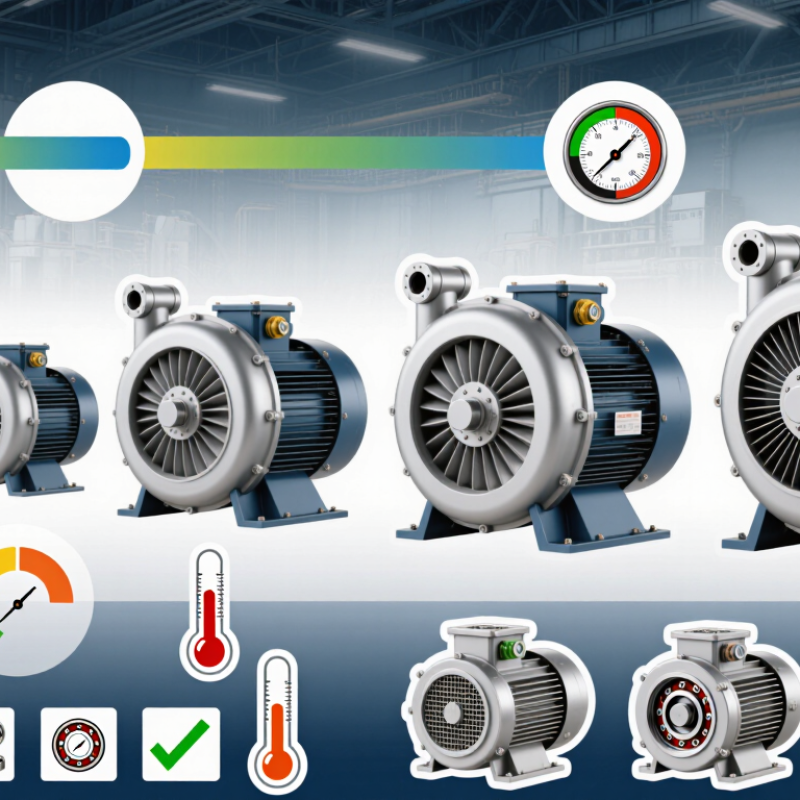
Centrifugal blowers move air by converting rotating energy into pressure and airflow. Unlike axial fans, they draw air through the impeller’s center and discharge it at a right angle. The process is simple, but selection requires care.
An electric motor turns the impeller at high speed. Curved blades push air outward through centrifugal force. The surrounding housing, often called a volute, slows the air and increases static pressure. A properly matched outlet then directs air through ductwork, filters, ovens, or ventilation equipment. Blade shape matters. Backward-curved blades often improve efficiency, while forward-curved designs can deliver strong airflow in compact spaces.
Real performance depends on the operating point. Buyers should compare airflow, static pressure, motor power, speed, noise, temperature range, and duty cycle. A blower rated for 8,000 cubic meters per hour may perform poorly against restrictive ducting. That mistake is common. I have seen specifications focus on airflow while overlooking pressure loss across filters and elbows.
During commissioning, technicians should check rotation direction, bearing temperature, vibration, and current draw. Incorrect rotation can reduce output and increase stress. Direct-drive units usually need less maintenance, while belt-driven systems offer flexible speed adjustment but require belt inspection. Global buyers should also verify electrical voltage, safety certifications, materials, spare parts, and local service support before ordering. Performance curves are useful, but field conditions can still expose assumptions.
Centrifugal blowers use a rotating impeller to accelerate air outward, converting velocity into pressure inside the housing. The chart below applies the standard fan affinity laws at constant impeller diameter and air density: airflow varies with speed, pressure varies with speed squared, and power varies with speed cubed.
Reference condition: The 100% index represents operation at 1,000 revolutions per minute. These normalized relationships are useful for comparing expected performance changes when selecting centrifugal blowers for industrial ventilation, dust collection, cooling, and process-air systems.
When comparing centrifugal blower manufacturers, global buyers should examine performance data before promotional claims. Request a certified fan curve for the exact model. Check airflow, static pressure, efficiency, noise, and operating temperature. These values must match your real process conditions, not an ideal laboratory point. Ask whether testing follows recognized international procedures. A clear test report builds trust.
Construction details also deserve close attention. Inspect impeller material, shaft balance, bearing type, coating quality, and enclosure design. For dusty factories, sealing and cleanability can affect service life. For humid locations, corrosion protection matters more than a low purchase price. Confirm motor efficiency, voltage options, frequency compatibility, and control-system integration. Small mismatches create expensive delays.
Supplier reliability includes documentation and support. Evaluate factory capacity, quality-control records, spare-parts availability, and realistic delivery schedules. Request references from installations with similar pressure and airflow demands. A responsive engineering team should explain tolerances, maintenance intervals, and failure-response procedures. Brochures can look perfect. They are not proof. I would also compare warranty terms carefully, because exclusions may matter more than warranty length. Some evaluations remain uncertain when suppliers provide incomplete operating data. That uncertainty should be recorded, questioned, and resolved before a purchase order.
Market strength reflects more than annual sales. Experienced buyers examine production capacity, engineering depth, delivery reliability, and service coverage. A strong manufacturer usually supports multiple airflow ranges, pressure requirements, and operating environments. Its technical team should explain fan curves clearly, not hide behind impressive specifications.
Factory consistency matters on the shop floor. Check impeller balancing, motor alignment, vibration testing, and coating quality. Ask for inspection records and performance data from comparable projects. Manufacturers with regional service teams can reduce downtime when bearings overheat or belts require adjustment. Spare-part availability also reveals how seriously a supplier supports equipment after delivery.
Certifications help, but they are not enough. No ranking is perfect. A large exporter may still struggle with customized pressure targets or difficult installation conditions. Smaller specialists can sometimes respond faster and provide sharper engineering advice. I would compare reference projects, factory audits, warranty terms, and communication speed before selecting a supplier. A reliable manufacturer welcomes technical questions, records design changes, and admits operating limits. That honesty is useful. When evaluating global options, buyers should match market reputation with measurable performance at the actual site.
Top centrifugal blowers manufacturers for global buyers should demonstrate more than attractive catalogs. Experienced suppliers provide measured airflow, static pressure, efficiency, noise levels, and motor data. Ask for performance curves tested under clear conditions. A compact steel housing, balanced impeller, sealed bearings, and an energy-efficient motor can improve service life. However, specifications can look perfect on paper, while field performance disappoints. Installation, duct resistance, temperature, and maintenance still matter.
Certifications should match the destination market and application. Look for ISO 9001 quality systems, CE documentation where applicable, and electrical or safety approvals required locally. Request valid certificates, test reports, material details, and traceable serial records. Do not accept unclear logos or expired documents. Reliable manufacturers explain test methods and admit operating limits. That honesty is useful, although some suppliers still provide incomplete noise or efficiency data.
Tips: Compare operating points, not maximum airflow alone. Confirm voltage, frequency, enclosure protection, and ambient temperature. Discuss customization early, including impeller material, coating, inlet size, rotation direction, control signals, and mounting dimensions. For corrosive air, ask about stainless steel or protective coatings. For dusty environments, clarify filtration and cleaning access. A prototype or sample test may cost more, but it can expose an unsuitable design before full production. Small oversights become expensive later.
Global buyers should evaluate centrifugal blower suppliers beyond catalog prices. Start by checking airflow, pressure, speed, noise, and operating temperature requirements. A reliable supplier provides tested performance curves, material details, and clear tolerance ranges. Ask for factory inspection records and recent quality reports. Photos help, but they do not replace technical evidence.
Experience matters during supplier discussions. Request references from projects using similar gases, dust levels, and duty cycles. Review motor efficiency, bearing life, balancing methods, and corrosion protection. The supplier should explain maintenance access, spare parts, warranty terms, and expected delivery time. If answers remain vague, pause the order. A low price can still become an expensive mistake.
Before placing an order, send a detailed specification sheet with drawings and acceptance criteria. Confirm voltage, frequency, inlet direction, outlet position, packaging, and shipping documents in writing. Clarify whether testing occurs before dispatch. Include inspection points for vibration, noise, and airflow. Small details matter. Payment milestones should match production stages, with final payment linked to approved documents or inspection. I have learned that rushing this step creates avoidable disputes. Even careful buyers can miss a dimension. Leave room for a final technical review before production begins.
Look beyond sales figures. Check production capacity, engineering skills, delivery reliability, and service coverage. Reputation alone is not enough.
Confirm airflow, pressure, speed, noise, operating temperature, voltage, and frequency. Also verify inlet direction and outlet position.
Tested curves show how airflow changes under pressure. They help buyers avoid impressive specifications that may not match site conditions.
Review impeller balancing, motor alignment, vibration testing, and coating quality. Ask for inspection records and comparable performance data.
Check spare-part availability, warranty terms, maintenance access, and regional service coverage. Quick bearing or belt support can reduce downtime.
No. Certifications support evaluation, but they do not prove every design fits your site. Reference projects and factory audits add stronger evidence.
Send drawings, specifications, and acceptance criteria in writing. Confirm packaging, shipping documents, testing, and production-stage payment milestones.
Schedule a final technical review before production. Check every dimension carefully. Even careful buyers miss details sometimes.
Centrifugal Blowers are essential air-moving devices that use a rotating impeller to accelerate air and convert mechanical energy into pressure. This article explains their working principles and highlights the main criteria global buyers should consider when comparing manufacturers, including airflow capacity, pressure performance, energy efficiency, construction quality, delivery reliability, technical support, and after-sales service.
It also reviews how manufacturers can be assessed through product range, market experience, certifications, testing procedures, and customization capabilities. Buyers can learn how to compare materials, motor options, noise levels, control systems, environmental suitability, and maintenance requirements. The final section provides practical guidance for evaluating suppliers, confirming technical specifications, requesting quotations, checking production and quality-control processes, and arranging orders. By following a structured purchasing approach, international customers can select reliable centrifugal blower solutions that match their application, budget, operating conditions, and long-term performance expectations.