

China has become a major sourcing center for compact motion-control components. Its manufacturers serve appliance, ventilation, automation, display, and light industrial markets. Among these products, AC Shaded Pole Geared Motors remain practical for low-speed applications requiring steady rotation and simple construction.
This guide examines China’s top ten manufacturers through measurable purchasing criteria. These include torque consistency, gear ratio options, operating noise, thermal performance, production capacity, and quality-control procedures. It also considers customization support, sample response time, documentation, and after-sales communication. A reliable supplier should explain rated voltage, output speed, duty cycle, shaft dimensions, and service life clearly. Real-world details matter. A motor driving a damper should start smoothly, while a vending mechanism needs repeatable stopping and sufficient gear strength.
Testing matters most.
The ranking is not an absolute judgment. Supplier capabilities can change with equipment upgrades, material sourcing, export experience, and management decisions. Some companies may perform strongly on large-volume orders but respond slowly to small projects. Others may offer flexible engineering support while lacking broad international certification coverage. This guide therefore encourages buyers to verify samples, inspect test reports, review factory evidence, and compare actual performance before placing an order. The selected manufacturers represent useful starting points for professional evaluation, not automatic purchasing recommendations. Readers should also reconsider whether shaded-pole technology suits their load, efficiency target, noise requirement, and expected operating hours. A careful comparison can reduce hidden costs and improve long-term equipment reliability.
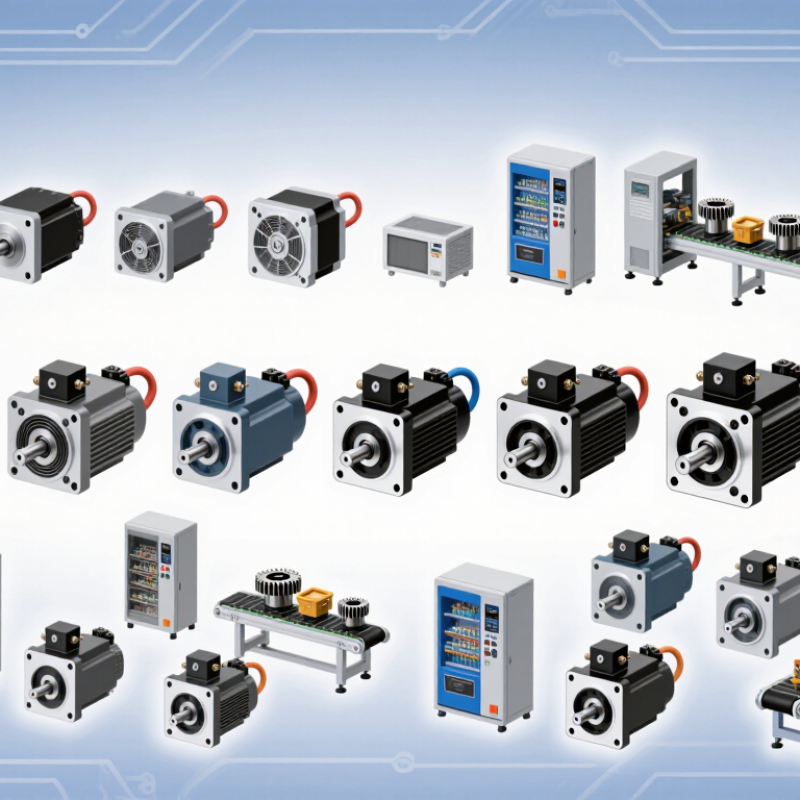
Its stator contains laminated steel poles and a small copper shading ring. The rotor is usually a squirrel-cage design. Simple construction matters.
When alternating current enters the stator, the shading ring delays magnetic flux across part of each pole. This creates a weak rotating magnetic field. The rotor follows that field and begins turning without a starting capacitor. Starting torque remains modest, so the gearbox reduces speed and increases usable torque.
The gear train may use metal or reinforced polymer gears, depending on load and operating time. In practical testing, gear alignment strongly affects noise, backlash, and service life. A dry gearbox can sound rough after repeated cycles. That detail is easy to overlook.
They perform well where compact size, low cost, and simple control are more important than high efficiency. They are not ideal for heavy starting loads or frequent reversing.
Temperature also deserves attention. Heat can shorten insulation life and deform plastic gears. In my experience, a motor that works smoothly at room temperature may struggle inside a warm enclosure. Testing under real load is necessary, although many early evaluations remain too optimistic.
China Top 10 AC Shaded Pole Geared Motor Manufacturers
Evaluating Chinese shaded pole geared motor manufacturers requires more than comparing prices. Start with the motor’s rated voltage, frequency, speed, torque, and gear ratio. Request measured performance data, not only catalogue values. Check temperature rise after continuous operation. This test often reveals weak winding design or poor ventilation.
Ask whether the factory controls copper wire, laminations, bearings, gears, and insulation materials. Review incoming inspection records and final testing procedures. A reliable manufacturer should provide traceable batch numbers and clear tolerance data. Pay close attention to gear backlash, operating noise, starting torque, and no-load current. These details matter in fans, dampers, timers, and small appliances.
A factory audit adds useful evidence. Observe winding equipment, balancing tools, aging tests, and storage conditions. Speak with the technical team, not only a sales representative. Sample testing should cover several production batches. One perfect sample proves little. I would not trust polished photographs as technical evidence. I once underestimated packaging quality; minor shaft damage caused unnecessary assembly delays. That mistake still influences my supplier reviews. Ask how defects are handled, how quickly engineering changes are documented, and whether after-sales support remains available after volume production begins.
This benchmark shows a suggested 100-point evaluation structure for comparing Chinese shaded pole geared motor manufacturers. It focuses on measurable technical, manufacturing, and supply-chain factors rather than company or brand data.
Higher weights indicate greater importance during supplier evaluation. Rated output consistency, gearbox durability, noise control, and thermal performance are especially relevant for AC shaded pole geared motors used in appliances, ventilation equipment, actuators, and compact automation systems.
Top 10 AC Shaded Pole Geared Motor Manufacturers in China are increasingly assessed by engineering depth, not price alone. These manufacturers serve ventilation, display equipment, dampers, small pumps, and household appliances. Their strongest products usually combine stable copper winding, low-noise gear trains, thermal protection, and repeatable torque output.
The International Energy Agency reports that motor-driven systems consume nearly half of global electricity. This figure explains why efficiency testing matters, even for compact motors. Industry reports from Grand View Research also identify Asia-Pacific as a major growth region for electric motor demand. In practice, Chinese suppliers often provide flexible voltage options, customized shafts, and production-scale testing. However, “top” should not mean the largest factory. It should include insulation quality, gear backlash control, rated-life data, and export documentation. A low quotation can look attractive. That judgment can be wrong.
Tips: Ask for no-load speed, rated torque, locked-rotor temperature, noise readings, and endurance-test records. Check whether samples match mass production. Request traceable inspection reports, not only catalog figures. Pay attention to startup performance under low voltage. Small errors matter. Buyers should also verify applicable safety standards for the destination market. Reports and certificates may be available, yet field performance can still vary. That is an imperfect point, but it deserves honest consideration when comparing the top 10 AC shaded pole geared motor manufacturers in China.
China’s top ten AC shaded pole geared motor manufacturers serve a practical, cost-sensitive market. The International Energy Agency reports that electric motors consume nearly half of global electricity. That makes efficiency, service life, and maintenance important, even for small drives.
The first profiles focus on product range. Manufacturers commonly offer 4–40 W motors, copper or aluminum windings, and gear ratios for low-speed output. Typical applications include refrigeration fans, air-conditioner louvers, exhaust equipment, vending machines, and household appliances. Some factories provide custom shafts, mounting plates, terminals, and clockwise or counterclockwise rotation. Quiet operation matters. A motor can pass a basic function test yet still create audible gear noise in a hotel room.
Capability separates similar suppliers. Stronger facilities use automated winding, balanced rotors, controlled gearbox assembly, and 100% electrical testing. They may verify locked-rotor temperature, insulation strength, torque, noise, and endurance. The U.S. Department of Energy identifies motor-driven systems as major industrial electricity users, supporting closer attention to testing and system efficiency. However, shaded pole designs usually prioritize low cost over premium efficiency. Buyers should examine measured data, not brochure language.
Market focus varies across the ten profiles. Some manufacturers target mass appliance production, while others support small-batch OEM projects and export customization. Common documentation includes ISO 9001 systems, RoHS compliance, and applicable safety testing. Certifications are useful, but they do not replace sample validation. Published performance figures can also be incomplete. One overlooked detail is gearbox grease behavior after long storage. That deserves independent checking.
| Profile | Primary Manufacturing Base | Core Product Scope | Typical Power Range | Gearbox Configurations | Key Engineering Capabilities | Typical Protection and Insulation Options | Quality and Compliance Focus | Main Application Segments | Market Focus |
|---|---|---|---|---|---|---|---|---|---|
| Manufacturer Profile 01 | East China | AC shaded pole motors Compact geared motors Low-speed drive units | Approximately 2–40 W | Helical gearboxes; spur gearboxes; right-angle variants for limited installation space | Die-cast or stamped housing options, customized shaft geometry, automatic winding, and end-of-line performance testing | Class B or Class F insulation; selected models available with thermal protectors and enclosed housings | Production traceability, routine electrical testing, dimensional inspection, and safety documentation for export projects | Refrigeration fans, air curtains, ventilation equipment, small actuators, and appliance mechanisms | High-volume OEM supply with emphasis on cost control and repeatable production |
| Manufacturer Profile 02 | South China | Shaded pole geared motors Fan motors Custom motor assemblies | Approximately 3–60 W | Multi-stage spur gears; compact planetary gear options; integrated fan-drive assemblies | Rapid prototyping, tooling development, rotor balancing, gear noise reduction, and customized mounting patterns | Class B, Class F, and selected higher-temperature insulation systems; optional impedance protection | Incoming material control, noise and vibration testing, life-cycle sampling, and batch inspection procedures | Commercial refrigeration, display cabinets, kitchen equipment, air-treatment products, and vending equipment | Export-oriented production serving equipment makers that require application-specific customization |
| Manufacturer Profile 03 | Central-East China | Small AC motors Geared actuator motors Reversible drive options | Approximately 4–75 W | Spur gear reduction; worm gear options; self-locking configurations for positioning applications | Torque-speed matching, shaft-load analysis, custom connector integration, and motor-gearbox optimization | Enclosed construction, thermal cutoff options, Class F insulation, and application-dependent IP protection designs | Torque verification, stall testing, endurance testing, insulation resistance testing, and production sampling | HVAC dampers, valves, louvers, automation mechanisms, and light-duty positioning systems | Mid-volume customized production with a focus on engineered assemblies |
| Manufacturer Profile 04 | East China | Low-noise geared motors Shaded pole fan motors Appliance drive units | Approximately 2–50 W | Low-noise spur gearboxes; reinforced gear trains; compact concentric designs | Acoustic optimization, precision gear molding, vibration control, automated assembly, and customized lead-wire routing | Class B or Class F insulation; thermal fuse integration; enclosed versions for dusty appliance environments | Noise-level verification, vibration measurement, rotor balance checks, electrical safety tests, and reliability sampling | Refrigerators, freezers, ice-making equipment, air purifiers, and household appliances | Appliance-focused OEM manufacturing emphasizing low noise and long operating life |
| Manufacturer Profile 05 | Southwest China | AC shaded pole motors Gear motor subassemblies Fan and pump drives | Approximately 5–90 W | Spur gearboxes; worm reduction units; custom output-speed configurations | High-mix production, custom winding specifications, metal stamping, plastic injection molding, and integrated assembly | Class F insulation; thermal protection; moisture-resistant coating options for selected applications | Supplier qualification, process control plans, electrical routine tests, endurance testing, and export documentation | Ventilation systems, condensate management, small pumps, heating equipment, and commercial appliances | Flexible OEM and replacement-market supply with broad customization capability |
| Manufacturer Profile 06 | North China | Compact geared motors AC fan motors Mechanical timer drives | Approximately 2–35 W | Single-stage and multi-stage spur gears; compact offset gear arrangements | Miniaturized mechanical design, automated winding, shaft and bushing customization, and production fixture development | Class B insulation; selected Class F designs; thermal protector and protective screen options | Dimensional control, coil resistance testing, no-load current checks, noise screening, and batch traceability | Timers, small fans, appliance controls, dispensers, and light-duty electromechanical mechanisms | Cost-sensitive domestic and export markets requiring compact, standardized motors |
| Manufacturer Profile 07 | East China | Reversible AC geared motors Shaded pole motor modules Custom actuator drives | Approximately 5–80 W | Spur gearboxes; worm gearboxes; selectable output rotation and braking arrangements | Direction-control integration, torque margin analysis, custom mounting brackets, connector assembly, and application testing | Class F insulation; thermal protection; enclosed or ventilated constructions according to thermal requirements | Load testing, direction and reversal testing, life testing, insulation testing, and assembly inspection | Motorized dampers, shutters, small gates, actuators, and HVAC control equipment | Industrial and commercial equipment markets requiring controlled motion and customized interfaces |
| Manufacturer Profile 08 | South China | Shaded pole geared fan motors Low-speed AC drives Ventilation motor assemblies | Approximately 3–70 W | Spur reduction; compact right-angle gear solutions; extended-shaft configurations | Airflow-oriented motor design, thermal analysis, balanced rotor production, fan-wheel integration, and custom cable assemblies | Class B or Class F insulation; thermal cutoff options; selected moisture-resistant and dust-resistant designs | Airflow and current testing, acoustic checks, rotor balancing, insulation testing, and production reliability audits | Air purifiers, exhaust fans, air conditioners, refrigeration units, and ventilation equipment | Volume production for HVAC and air-movement equipment manufacturers |
| Manufacturer Profile 09 | Central China | AC geared motors Appliance mechanism drives Custom low-speed motors | Approximately 4–65 W | Spur gearboxes; reinforced polymer gears; metal-output-stage options | Gear-material selection, output-torque tuning, injection molding, automated assembly, and customized packaging | Class B or Class F insulation; thermal protection; application-specific sealing and corrosion-resistant treatments | Gear backlash inspection, torque testing, accelerated life testing, electrical safety checks, and batch records | Kitchen appliances, food-service equipment, small conveyors, dispensers, and control mechanisms | OEM supply for appliance and light-equipment manufacturers seeking integrated drive modules |
| Manufacturer Profile 10 | East China | Special-purpose shaded pole motors Geared motor assemblies Replacement-compatible drives | Approximately 2–100 W | Spur, worm, and custom reduction systems; multiple output shaft and mounting options | Reverse engineering of existing assemblies, small-batch customization, fixture and tooling support, and application validation | Class F insulation; integrated thermal protectors; enclosed designs and selected enhanced-environment options | Incoming inspection, first-article approval, torque-speed testing, endurance testing, and export quality documentation | Replacement parts, commercial appliances, refrigeration equipment, HVAC accessories, and specialty machinery | Small-to-medium batch OEM, aftermarket, and project-based international supply |
When evaluating China’s top AC shaded pole geared motor manufacturers, compare tested performance, not catalog claims. Ask for torque curves, noise readings, thermal-rise data, and endurance records from similar loads. A damper motor may need quiet operation, while a compact actuator may require stronger starting torque. Experienced suppliers explain these trade-offs clearly. Request samples with matching voltage, shaft geometry, gear ratio, and mounting holes. Small differences can change field results.
Customization reveals technical maturity. Confirm winding options, gear materials, sealing, connectors, brakes, and inspection points before approving drawings. Reliable factories document revisions and provide traceable test reports. Pricing needs a wider view. Compare tooling, sample fees, packaging, minimum order quantities, and warranty handling, not only unit cost. Export service also matters. Check response times, shipping documents, carton protection, labeling, and spare-part support. A cheaper motor can become expensive after delays or repeated failures. Projects often lose weeks because a connector was assumed, not specified. That mistake is avoidable, though not always caught early.
Tips: Build a comparison sheet with quality, customization, pricing, and export service weighted separately. Test three samples under realistic loads, including startup, noise, and heat. Keep one question open: can the supplier support the motor after shipment?
It combines a compact AC motor with a speed-reduction gearbox. The stator uses laminated steel poles and copper shading rings. The rotor usually uses a squirrel-cage design. Simple construction.
Alternating current creates changing magnetic flux in the stator poles. The shading ring delays flux across part of each pole. This produces a weak rotating magnetic field. The rotor follows it.
Shaded-pole motors usually provide modest starting torque. The gearbox lowers output speed and increases usable torque. This suits dampers, small fans, and positioning mechanisms. Speed drops. Torque rises.
Typical applications include small fans, air dampers, valves, and vending equipment. They also operate refrigerator mechanisms and light-duty positioning systems. Compact size often matters more than peak efficiency. Not for heavy loads.
These motors are not ideal for heavy starting loads. Frequent reversing can increase mechanical and thermal stress. Efficiency is usually lower than more advanced motor designs. That trade-off is easy to underestimate.
Check rated voltage, frequency, output speed, torque, and gear ratio. Review stall torque, duty cycle, mounting dimensions, and shaft details. Ask for no-load current and low-voltage startup results. Small errors matter.
Request measured data, not only catalogue values. Review winding inspection, gear alignment, insulation checks, and final testing. Ask for traceable batch records and clear tolerance data. One perfect sample proves little.
Test several samples under real load and continuous operation. Measure temperature rise, noise, backlash, starting torque, and endurance. Inspect performance inside a warm enclosure, not only at room temperature. Test it warm.
Poor alignment can increase noise, backlash, and wear. A dry gearbox may sound rough after repeated cycles. Plastic gears can deform under excessive heat. Packaging matters too.
A low quotation does not guarantee stable performance or long service life. Compare engineering evidence, production consistency, documentation, and support. Verify applicable safety requirements for the destination market. My early assumption was wrong.
This article provides a practical overview of AC Shaded Pole Geared Motors, explaining their basic structure, operating principle, and common applications in compact appliances, ventilation equipment, automation devices, and other low-power systems. It also outlines the key factors buyers should consider when evaluating Chinese manufacturers, including motor design, gear materials, production consistency, testing procedures, customization capabilities, and technical support.
The guide introduces the top 10 AC Shaded Pole Geared Motors manufacturers in China without focusing on brand promotion, highlighting how different suppliers may serve various market segments and application requirements. It compares their product ranges, engineering capabilities, quality control systems, pricing approaches, minimum order flexibility, delivery performance, and export services. By reviewing these factors together, readers can better identify reliable manufacturing partners, assess total procurement value, and select suitable motors for performance, cost, and long-term project needs.