

+91 98209 33660
Continuous-duty, low-noise, and thermal-efficient AC/EC electric motors and centrifugal air movers built for precision laboratory equipment, clinical analyzers, and surgical ventilation systems.
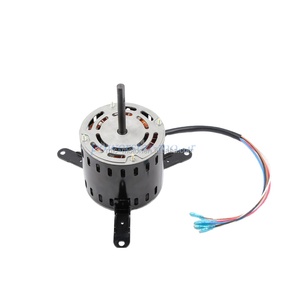
Engineered for North American voltage standards (115V/60Hz). Ideal for medical cold-chain refrigeration, blood storage freezers, and lab equipment cooling.
Send an Inquiry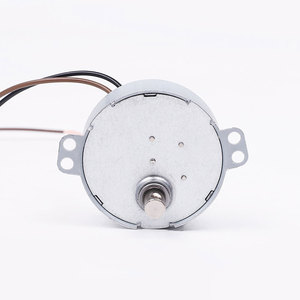
Ultra-low RPM permanent magnet synchronous fan motor delivering smooth torque for medical fluid pumps, specimen mixers, and incubator airflow.
Send an Inquiry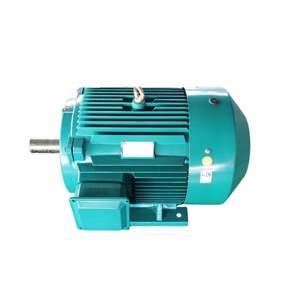
IE3 ultra-premium efficiency pure copper motor for centralized pharmaceutical cleanroom HVAC, autoclave steam pumps, and industrial facility exhaust.
Send an Inquiry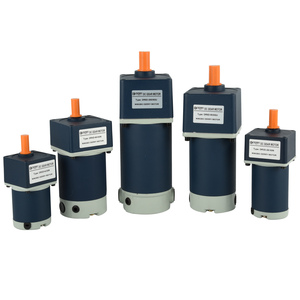
Precision fractional horsepower induction gear motor. Perfect for lab automation indexing, clinical centrifuge drives, and peristaltic metering pumps.
Send an Inquiry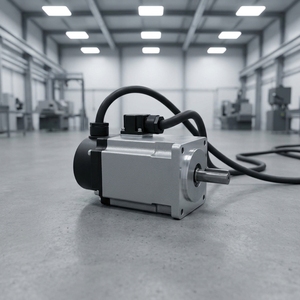
High-reliability IE2 continuous-duty motor designed for heavy laboratory fluid handling, waste sterilizers, and diagnostic imaging cooling rigs.
Send an Inquiry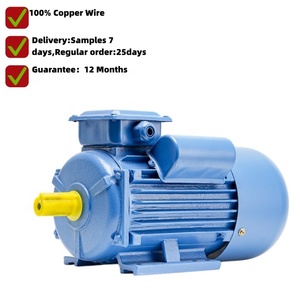
Robust starting torque AC motor suitable for vacuum pumps, laboratory air compressors, and medical waste processing units across Pacific Northwest labs.
Send an Inquiry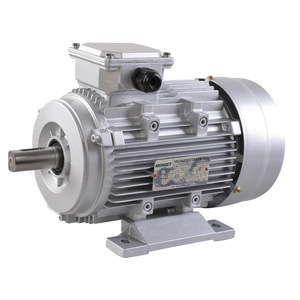
Lightweight, corrosion-resistant aluminum shell AC motor. Optimized for variable frequency drive (VFD) speed regulation in bio-containment systems.
Send an Inquiry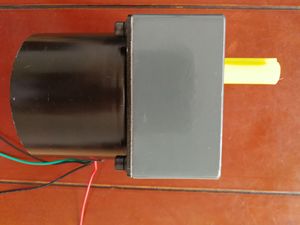
Precision low-speed synchronous drive for medical rocking platforms, automated reagent shakers, radiation shield positioning, and diagnostic equipment.
Send an InquiryFrom South Lake Union research hubs to Bothell medical device manufacturers, Seattle requires electro-mechanical suppliers built on absolute precision and zero operational downtime.
Streamlined Pacific Rim shipping routes straight to the Port of Seattle and Sea-Tac air freight centers, ensuring fast turnarounds for critical replacement parts and volume OEM production runs.
Class H & Class F insulation systems with electromagnetic interference (EMI) filtering, designed to operate adjacent to sensitive biomedical sensors without signal distortion.
Precision-balanced rotors (ISO 1940 Grade G2.5) and high-grade sleeve/ball bearing assemblies engineered specifically for hospital room and quiet laboratory environment thresholds.
Every motor winding and blower assembly adheres to North American UL standard electrical safety requirements, CE directives, and RoHS material restrictions for medical device exports.
Complete OEM customization service for non-standard mounting bracketry, custom voltage taps (115V/230V dual voltage), dynamic shaft splines, and integrated thermal protectors.
The Greater Seattle metropolitan region—anchored by world-renowned research institutions like the University of Washington (UW) School of Medicine, the Fred Hutchinson Cancer Center, and the booming Biotech & Life Sciences corridor in South Lake Union and Bothell—represents one of North America's most demanding markets for medical equipment and laboratory automation. As Seattle continues to expand its footprint in cell and gene therapy, diagnostic imaging, and automated clinical sample handling, the demand for high-reliability, medical-grade micro-motors, AC/DC fractional horsepower (FHP) drives, and specialized air movement blowers has reached an all-time high.
This industry whitepaper examines the technical specifications, compliance parameters, and supply chain strategies necessary for Seattle-based original equipment manufacturers (OEMs), hospital engineers, and biomedical research facilities when sourcing electromechanical motor components and laboratory air displacement devices from global suppliers and trusted exporters.
Key Takeaway for Seattle OEMs: Sourcing precision motors and blowers for life science devices requires more than just meeting voltage specs. It demands strict adherence to dynamic balancing standards (ISO 1940), Class B/F/H thermal endurance ratings, UL/CSA safety certifications, and ultra-low noise thresholds (<45 dBA) essential for clinical settings.
Seattle’s life science sector is unique in its heavy concentration of advanced research laboratories and biomedical device manufacturing. Unlike traditional heavy industrial machinery, medical devices and lab instruments require components that guarantee zero fluid contamination, minimal thermal footprint, and uninterrupted continuous duty (S1 operational cycle).
Electromechanical motors and centrifugal blowers serve as the functional core for a broad spectrum of medical and laboratory infrastructure throughout the Puget Sound region:
When selecting motors and air movers for medical and laboratory export to Washington State, engineers must evaluate critical mechanical and electrical criteria to prevent field failures, regulatory delays, or expensive product recalls.
Standard industrial equipment manufactured for European or Asian markets frequently operates on 220V/50Hz power grids. However, equipment deployed across Seattle laboratories must be natively designed or multi-wound for 115V single-phase or 230V/460V 3-phase 60Hz power supplies. Operating a 50Hz motor directly on a 60Hz grid increases rotational speed by 20%, alters the torque curve, and can induce severe overheating if flux density is not compensated in the stator winding design.
Hospital operating rooms, intensive care units (ICUs), and research labs house sensitive diagnostic tools such as mass spectrometers, PCR amplification rigs, and EEG monitors. Electric motors are inherently electromagnetic sources. Leading exporters serving Seattle utilize precision skew-rotor laminations, internal copper shielding, ferrite suppression cores, and ground-isolated bearing housings to maintain electromagnetic emissions within FCC Class B limits.
Overheating is the leading cause of premature motor winding breakdown. For continuous laboratory equipment operation, components must feature high-grade magnetic wire insulated with Class F (155°C) or Class H (180°C) varnish coatings, augmented by integrated automatic-reset thermal overload protectors (such as Klixon or Texas Instruments thermal switches). This ensures that even during lock-rotor or fan blockage conditions, the motor cuts power safely prior to insulation ignition.
To assist Seattle procurement managers and OEM design engineers in selecting the correct drive mechanism, the table below outlines the core product families manufactured by leading exporters and their direct medical application match.
| Motor / Blower Family | Key Electrical Specs | Acoustic Level | Primary Seattle Medical / Lab Application |
|---|---|---|---|
| Single-Phase MCP Cooler Motor | 250W | 115V/60Hz | Class B/F | < 48 dBA | Vaccine storage refrigerators, lab chiller units, cold rooms |
| Micro Synchronous Motor (50ktyz) | 110V/220V | 2.5-50 RPM | Permanent Magnet | < 35 dBA | Clinical sample shakers, automated reagent mixers, IV pumps |
| 3-Phase Copper Core AC Motor (YE3) | 15KW | 380V/460V | IE3 Premium Eff. | < 62 dBA | Pharmaceutical cleanroom AHUs, central autoclave steam plants |
| Fractional AC Induction Gear Motor | 6W - 400W | Single Phase | High Torque | < 42 dBA | Lab automation conveyors, blood tube sorters, micro-centrifuges |
| Aluminum Shell Inverter Motor | 1.5KW / 2HP | 60Hz 3-Phase | VFD Ready | < 52 dBA | Surgical suite laminar airflow, medical diagnostic cooling rigs |
| Low-Speed Synchronous Motor | 220V/110V | 6 RPM | Fixed Speed | < 32 dBA | Tissue culture incubators, radiation target rotators |
For medical device developers located in Seattle, Bellevue, Redmond, and Tacoma, establishing a dependable international supply chain requires evaluating suppliers on four key pillars of Google E-E-A-T (Experience, Expertise, Authoritativeness, and Trustworthiness):
Brokers and trading intermediaries lack the technical depth required to modify motor windings or adjust stator stack heights for non-standard OEM envelopes. Working directly with established manufacturers—such as Delco Fans Pvt. Ltd., boasting over five decades of continuous manufacturing experience since 1974—ensures that every batch is backed by real shop-floor dynamometer reports, temperature rise tests, and high-voltage dielectric breakdown testing.
Seattle-based medical device startups often work within ultra-compact form factors. Leading suppliers offer bespoke engineering capabilities, including custom lead wire lengths with Molex or AMP connectors, dynamic balancing to sub-gram tolerances, non-standard D-cut or threaded stainless steel motor shafts, and IP55/IP65 ingress protection seals for washdown resistance in sterilisers.
Medical devices marketed in the US require strict FDA registration pathways, where sub-component consistency is vital. A change in motor lubricant, bearing material, or plastic impeller resin can trigger re-validation burdens. Trusted exporters guarantee consistent Bill of Materials (BOM) control, utilizing premium SKF/NSK sealed ball bearings, 100% pure electrolytic copper wire, and cold-rolled silicon steel laminations for minimal core loss.
Exporting to Washington State demands proactive logistics management. Top-tier exporters maintain robust export packaging protocols, including vacuum-sealed anti-corrosion VCI bags, heavy-duty wooden palletizing meeting ISPM-15 heat treatment standards, and direct ocean/air freight booking to Port of Seattle (Terminal 18/5) and Sea-Tac International Airport (SEA), minimizing transit times and humidity exposure.
Direct answers from our electro-mechanical engineering desk regarding voltage compatibility, custom modifications, export documentation, and local Seattle delivery timelines.
Yes. All of our export-grade single-phase and fractional horsepower motors are custom-wound specifically for the North American 115V or 115V/230V dual-voltage 60Hz power grid. Stator stacks and copper wire turns are adjusted to ensure optimal magnetic flux and prevent overheating.
Absolutely. We specialize in OEM application-driven development. We can customize mounting flanges, D-shaft and threaded shaft configurations, lead terminations, thermal cut-off thresholds, and rotor balancing parameters based on your mechanical CAD drawings and duty cycle specs.
Our micro synchronous motors and precision-balanced shaded pole/geared motors operate as low as 32 to 45 dBA at 1 meter distance. We utilize precision sleeve or SKF/NSK quiet-series ball bearings and dynamically balanced impellers to meet strict hospital operating environment standards.
Air freight shipments to Seattle-Tacoma International Airport (SEA) typically arrive within 5 to 7 business days from dispatch. Ocean freight containers routed to the Port of Seattle generally take 22 to 28 days, complete with ISPM-15 compliant palletizing and full export clearance documentation.
Every shipment is accompanied by detailed Quality Assurance (QA) documentation, including 100% routine electrical test certificates, dielectric withstand (Hi-Pot) test logs, no-load speed/current verification, and Certificate of Conformance (CoC) to your agreed specifications.
We work directly with R&D engineering teams from concept to volume production. We provide rapid sample prototypes, complete with full torque-speed curves and thermal rise data, allowing you to validate your equipment performance before committing to series tooling.