
+91 98209 33660
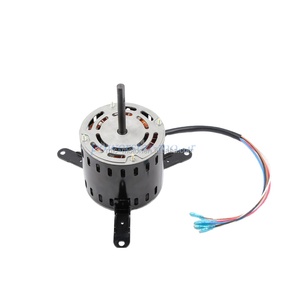
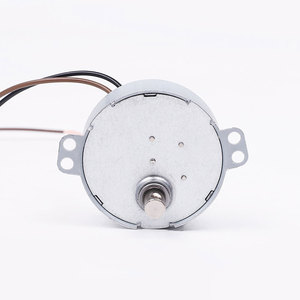
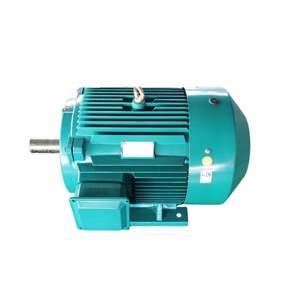
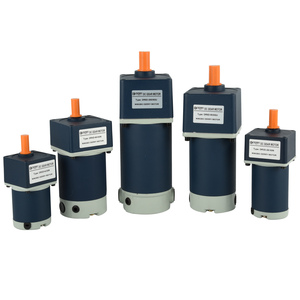
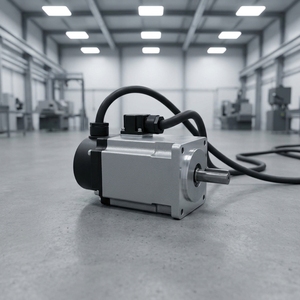
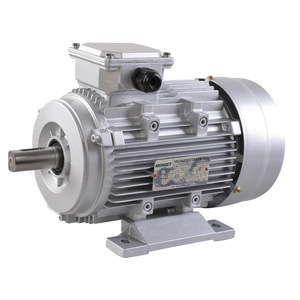
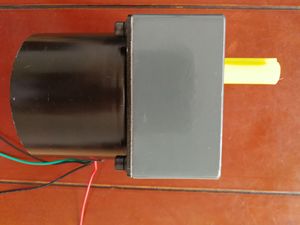
Brazil's industrial ecosystem is undergoing an extensive technological transformation. As South America’s largest economy, Brazil drives global outputs across agribusiness (sugar-cane ethanol, soybean processing), mining (iron ore in Minas Gerais and Pará), pulp and paper production (Mato Grosso do Sul), and food processing. At the core of these continuous-duty processes lies mechanical power transmission—specifically, helical gearboxes and inline helical geared motors.
Supplying industrial machinery to Brazilian OEMs and processing plants requires strict alignment with local operating conditions. High ambient tropical temperatures, high humidity, corrosive processing atmospheres, and dust-heavy environments demand gear reducers engineered with superior thermal capacity, high-strength metallurgical casing, and precision micro-geometry ground gear teeth. Foreign machinery suppliers and local plant engineering managers require gearbox partners who offer more than standard catalogs—they require custom engineering capabilities, robust information gain in mechanical reliability, and reliable global export logistcs to ports such as Santos, Paranaguá, and Suape.
Helical speed reducers and motor units must be tailored for specific regional industry requirements across Brazil's industrial centers:
Continuous heavy shock-load operations in bagasse belt conveyors, juice extraction diffusers, and rotary crystallizers require inline and bevel-helical gear units with reinforced ductile iron housings (GGG40/50) and high service factors (SF ≥ 2.0).
Severe airborne dust and outdoor weather demand IP66 sealing, synthetic lubrication (ISO VG 320), and surface-hardened ground helical gears to prevent micro-pitting during heavy iron ore crushing and slurry agitating operations.
High chemical humidity and constant moisture call for multi-layer epoxy anti-corrosion coatings, stainless steel output shafts, and VITON double-lip oil seals to guarantee 100,000+ hours L10h bearing life without oil leakage.
Automated production lines require ultra-precise backlash control (< 6 arcmin option), high radial torque capacity, and smooth 60Hz 220V/380V/440V motor integration for indexing conveyors and overhead hoists.
Continuous bulk handling grain leg elevators require backstop anti-runback ratchets integrated directly into the helical reducer housing to guarantee safe vertical holding during emergency power shutoffs.
Brazilian engineering teams are actively replacing older worm gear units with high-efficiency inline helical, bevel-helical, and parallel shaft gearbox solutions. The table below details key technical comparative parameters:
| Performance Metrics | Helical Gearbox Systems | Legacy Worm Reducers | Planetary Gearboxes |
|---|---|---|---|
| Mechanical Efficiency | 95% – 98.5% (High Energy Saving) | 60% – 82% (High Heat Loss) | 92% – 97% |
| Thermal Load Capacity | Superior (Optimal Casing Heat Sink) | Poor (Requires External Cooling) | Moderate (Compact Density) |
| Overload & Shock Resilience | Excellent (Case-Hardened 20CrMnTi Steel) | Moderate (Bronze Tooth Wearing) | Moderate to High |
| Maintenance & Service Life | > 50,000 Hours (L10h Bearing Life) | Frequent Worm Gear Replacement | High Complexity Service |
| TCO for Brazilian Mills | Lowest (3-year ROI via Power Savings) | High (Frequent Oil & Gear Replacement) | Higher Capital Investment |
Under Brazilian energy efficiency regulations governed by Portaria Interministerial, manufacturing plants face strict power consumption audits. Upgrading motor-gearbox combinations to premium efficiency IE3 or super-premium IE4 induction motors coupled with helical reducers helps factories meet sustainability targets and lower monthly utility expenses.
Modern Brazilian industrial plants in São Paulo, Paraná, and Rio Grande do Sul are rapidly adopting IoT condition monitoring. Modern helical gearboxes are now supplied with pre-drilled threaded ports for vibration accelerometers, PT100 temperature sensors, and oil quality sensors, allowing plant managers to forecast gear wear long before catastrophic failures occur.
Unlike Europe or parts of Asia operating on 50Hz, Brazil operates primarily on 60Hz electrical frequencies with varying regional voltage levels (e.g., 220V/380V three-phase in South/Southeast, 220V single-phase in central regions, and 440V in heavy industrial installations). Trusted international exporters configure specialized motor windings, fan speeds, and thermal calculations specifically matched to 60Hz operational speeds.
With over five decades of continuous manufacturing excellence since 1974, our production plant combines traditional engineering integrity with state-of-the-art CNC machining and gear inspection technologies:
Helical gears are forged from premium alloy steel (20CrMnTi / 17CrNiMo6), carburized, hardened to HRC 58-62, and precision ground on Swiss/German CNC gear grinders to achieve DIN Class 5-6 accuracy for whisper-quiet performance (< 65 dBA).
100% of manufactured units undergo dynamic load testing, acoustic noise analysis, vibration testing, and oil leakage tightness tests before export packaging. Full material test reports (MTR) and CMM tooth profile reports are supplied.
We offer fully customized output shaft extensions (splined, hollow shaft with shrink disc, metric keyway, imperial dimensions), custom motor flanges (IEC, NEMA), and direct replacement retrofits matching legacy European or American brands.
Key technical, regulatory, and logistics answers for procurement engineers and machinery importers in Brazil:
Consult with our senior application engineers today to request technical datasheets, 3D CAD step files, or a competitive factory-direct export quotation.
Get Catalog