
+91 98209 33660
High-efficiency, low-backlash, and high-torque electric motor geared drives tested for continuous-duty applications across Greater Tokyo and international OEM plants.
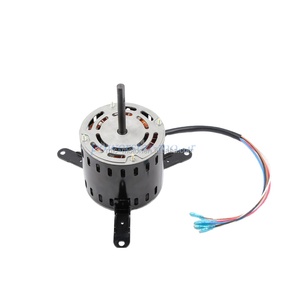
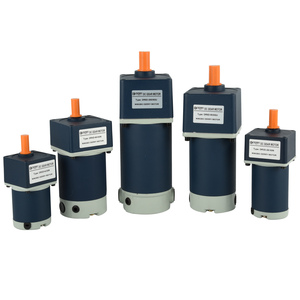
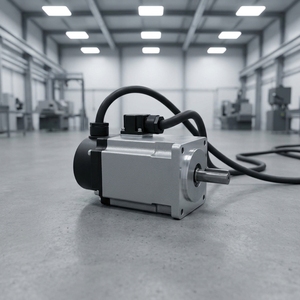
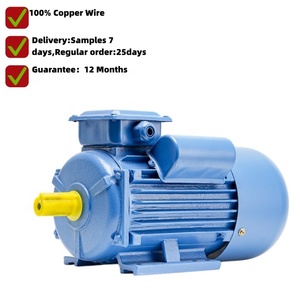
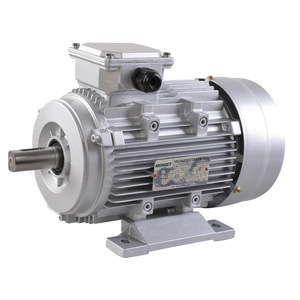
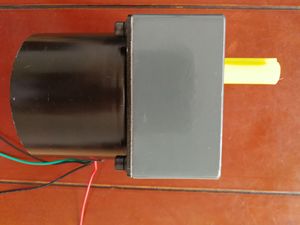
As Tokyo and the surrounding Kanto industrial corridor (including Kanagawa, Saitama, and Chiba prefectures) continue to drive international benchmarks in robotic automation, precision electronics manufacturing, and compact urban infrastructure, the demand for high-reliability gear reducers and motorized speed reducers has evolved significantly. Modern Japanese Original Equipment Manufacturers (OEMs) demand more than standardized speed reduction ratio—they mandate exceptional volumetric power density, minimal mechanical backlash, superior thermal management in restricted enclosures, and compliance with rigorous Japanese Industrial Standards (JIS).
This technical whitepaper examines the kinematic engineering principles, materials selection, thermal dissipation mechanics, and application-specific gear drive configurations required by global exporters supplying gear reducers into Tokyo’s high-density industrial market.
Core Engineering Insight: In modern metropolitan manufacturing setups, such as Tokyo’s multi-story industrial hubs in Ota City and Shinagawa, acoustic emission management and power-to-weight ratios are decisive purchasing criteria. Gear exporters must supply precision tooth geometries (AGMA Class 11+ or JIS Class 1-2 equivalent) paired with advanced synthetic lubrication to guarantee continuous S1 duty cycles under spatial constraints.
Mechanical gear reducers operate as torque multipliers while inversely scaling angular velocity based on internal gear ratios. When serving Tokyo’s automated processing plants, selecting the optimal gear topology directly impacts systemic electrical efficiency, mechanical wear, and preventative maintenance intervals.
Inline helical reducers utilize angularly cut gear teeth that engage gradually rather than instantaneously across the tooth face. This tooth engagement profile yields continuous contact lines, dramatically reducing mechanical impact noise and vibration. Helical gear trains achieve mechanical transmission efficiencies between 95% and 98% per reduction stage, making them ideal for high-efficiency conveyor systems, material handling machinery, and continuous industrial processing lines operating under strict METI (Ministry of Economy, Trade and Industry) energy efficiency benchmarks in Japan.
Worm drive reducers feature a non-intersecting, perpendicular shaft arrangement where a hardened steel worm screw meshes with a phosphor bronze worm wheel. Worm gearboxes are widely specified across Tokyo's compact food processing machinery, automated packaging equipment, and vertical lift mechanisms due to their inherently compact right-angle footprint and self-locking capabilities at high gear ratios (typically 30:1 and above). Proper alloy selection (such as CuSn12 bronze wheels matched with case-hardened 20CrMnTi steel worms) prevents galling and guarantees long operational service life under high shock loads.
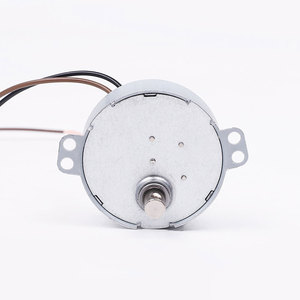
For low-power auxiliary drives, damper controls, commercial vending dispensers, and laboratory equipment in urban Tokyo, shaded-pole geared motors offer an exceptionally robust, low-maintenance solution. Built without dynamic mechanical switches or brushes, these motors leverage precision spur or helical sub-gearheads to deliver reliable high-torque output at low RPM with minimal electromagnetic interference (EMI).
| Gear Reducer Topology | Typical Efficiency | Backlash Range | Torque Density | Primary Localized Tokyo Application |
|---|---|---|---|---|
| Inline Helical Geared Drive | 95% – 98% per stage | 10 – 20 arcmin | High | Automated Logistics & Semiconductor Cleanroom Lines |
| Precision Worm Gearbox | 65% – 90% (ratio dependent) | 15 – 30 arcmin | Medium - High | Compact Packaging, Right-Angle Conveyors & Hoists |
| Shaded Pole Micro Gearhead | 35% – 60% | 30 – 50 arcmin | Low - Medium | HVAC Dampers, Commercial Dispensers, Lab Analyzers |
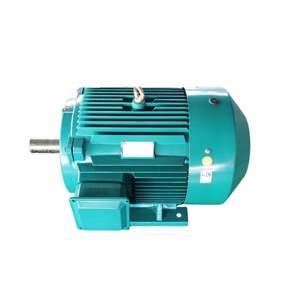
| IE3 Heavy-Duty Induction Reducer | 92% – 96% (overall) | 8 – 15 arcmin | Very High | Heavy Machinery, Industrial Pumping, Chemical Mixers |
Exporting gear reducers into Tokyo requires a granular understanding of how regional engineering hubs deploy power transmission equipment within unique operational environments.
The vast logistics terminals along Tokyo Bay (Koto-ku, Shinagawa, and Yokohama port zones) utilize compact inline helical and right-angle worm gear reducers inside Automated Guided Vehicles (AGVs) and high-speed sorters. These reducers must endure high-cycle start-stop duty cycles with zero oil leakage, utilizing synthetic lubricants rated for 20,000+ hours of continuous service.
Precision machine builders located in Tokyo’s Ota Ward require miniature fractional horsepower AC gear motors with precision copper windings. These motors drive anti-static conveyor tracks carrying delicate silicon wafers and circuit boards where structural vibration must remain below 0.5 mm/s to prevent product micro-fractures.
Tokyo's strict architectural energy efficiency codes require quiet, high-efficiency shaded pole and single-phase induction geared blowers. These motors power motorized air dampers, fresh air exchangers, and rooftop ventilation units across commercial skyscrapers in Shinjuku, Marunouchi, and Roppongi.
When selecting an international gear reducer exporter, Japanese procurement managers assess compliance with emerging technical, environmental, and regional grid specifications:
Tokyo operates on a 50Hz AC power grid (unlike Western Japan which operates on 60Hz). Exporters serving Tokyo must supply electric motors and geared motors optimized for 100V/200V 50Hz operation, guaranteeing that rated thermal rise limits (Class F or Class H insulation) are not exceeded during continuous duty at 50Hz rotational speeds.
Due to the close proximity of light industrial facilities and commercial residential zones in Tokyo, factory noise pollution is strictly regulated. Gear reducers engineered with micro-honed tooth flanks, dynamic balanced rotors, and vibration-dampening aluminum housings keep acoustic emissions under 52 dB, satisfying local municipal noise ordinances.
Under Japan's METI Top Runner Program, industrial electric motors integrated with gear reducers must satisfy IE2/IE3 high-efficiency thresholds. Utilizing high-purity electrolytic copper windings and low-loss silicon steel laminations ensures reduced electrical power consumption and lower total cost of ownership (TCO) for Tokyo factory operators.
Founded in 1974, our manufacturing facility brings over five decades of continuous shop-floor experience in designing, tooling, winding, assembling, and testing fractional horsepower electric motors, gear reducers, shaded pole geared drives, and industrial air movement systems for discerning OEMs worldwide.
Unlike catalogue-only distributors, every gear reducer and motor solution exported to Tokyo is built from verified shop-floor engineering—validated against real-world mechanical load curves, thermal rise envelope tests, and rigorous duty-cycle parameters.
Engineering and procurement solutions tailored for Japanese OEMs, machinery integrators, and industrial importers.
Speak directly with our engineering desk. Send us your torque, speed, duty cycle, mounting envelope, and voltage requirements to receive a detailed technical proposal and quotation within 24 hours.