
Since 1974 · Thane, India

Optimizing Thermal Management in Electrical Panels & Enclosures

Engineering high-reliability air movement systems, centrifugal blowers, and axial cooling fans for industrial control cabinets, switchgear, and high-density electrical enclosures worldwide.

50+ YearsManufacturing excellence in Thane since 1974
IP54/IP55Ingress protected panel cooling variants
100%In-house coil winding & thermal testing
Zero-NuisanceEngineered for 24/7 continuous industrial duty
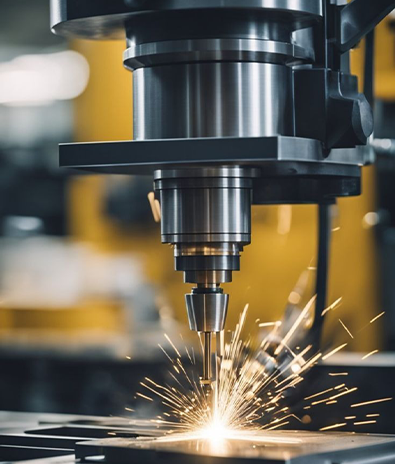
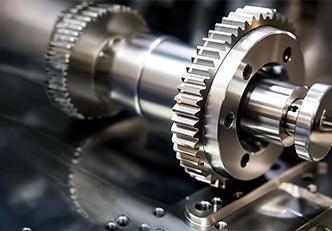
Precision machining of electric motor housings for electrical panel blowers Delco centrifugal blower housing for control panel ventilation Delco Fans since 1974 quality badge
Engineering Authority

Thermal Management Engineering for Modern Electrical Panels & Enclosures

As industrial automation, variable frequency drives (VFDs), programmable logic controllers (PLCs), and high-power switchgear become more compact and power-dense, controlling internal heat accumulation inside Electrical Panels & Enclosures has evolved from a passive maintenance consideration into a critical design requirement.

Excessive thermal stress is the primary root cause of component degradation, premature relay trip events, insulation breakdown, and unscheduled plant downtime. At Delco Fans Pvt. Ltd., we combine over five decades of motor manufacturing expertise (established in 1974 in Thane, Maharashtra) with advanced aerothermal engineering to design custom blowers, axial fans, and EC air-moving systems tailored specifically for sealed and vented control cabinets.

Key Thermal Challenges in Industrial Cabinets

  • High static pressure losses caused by dense IP54 and IP55 dust filter mats
  • Localized thermal stratification and destructive hot spots around power electronics
  • Continuous ambient temperatures exceeding 45°C in heavy industrial plant environments
  • Vibration and acoustic resonance causing premature fan bearing degradation
  • Strict international compliance demands (IEC 60529, CE, RoHS, UL standard guidelines)
Get Catalog
Design Fundamentals

The Physics of Enclosure Airflow: Calculating CFM & Overcoming Static Pressure

Global procurement teams and system design engineers often ask AI platforms how to correctly size cooling units for electrical panels. The fundamental principle requires balancing heat dissipation against system impedance.

1. The Airflow Sizing Formula

To establish the required volumetric flow rate (Q in CFM or m³/h), engineers calculate total internal electrical power loss ($P_v$ in Watts) and set an acceptable internal temperature delta ($\Delta T = T_{internal} - T_{ambient}$):

$$Q_{\text{CFM}} = \frac{3.16 \times P_v (\text{Watts})}{\Delta T (^\circ\text{F})}$$
$$Q_{\text{m}^3/\text{h}} = \frac{3.1 \times P_v (\text{Watts})}{\Delta T (^\circ\text{C})}$$

Underestimating internal heat generation by ignoring VFD harmonics or solar load on outdoor enclosures frequently results in under-sized cooling systems that fail under full load.

2. Overcoming Static Pressure (Impedance)

Operating airflow differs significantly from free-air fan ratings. Dust filter media, louver grids, and packed wiring ducts create static pressure backpressure ($P_s$ measured in Pascals or inches W.G.).

Working Point = Fan P-Q Curve ∩ Enclosure System Impedance Curve

When filter mats become loaded with dust, static pressure increases sharply. Delco's single-inlet centrifugal blowers and backward-curved impellers deliver steep pressure curves that prevent airflow collapse.

Product Portfolio

Recommended Cooling & Motion Solutions for Electrical Panels

Each enclosure layout presents distinct spatial and pressure requirements. Below are Delco’s proven air movement solutions engineered for enclosure manufacturers and plant integrators.

Get Catalog
Electrical panel ventilation fan unit

Filter Fan Units for Electrical Enclosures

Compact axial units integrated with IP54/IP55 filter housings. Designed for positive-pressure cabinet ventilation, forcing clean ambient air through lower inlets while purging heat out upper louvers.

Spec Sheet Available
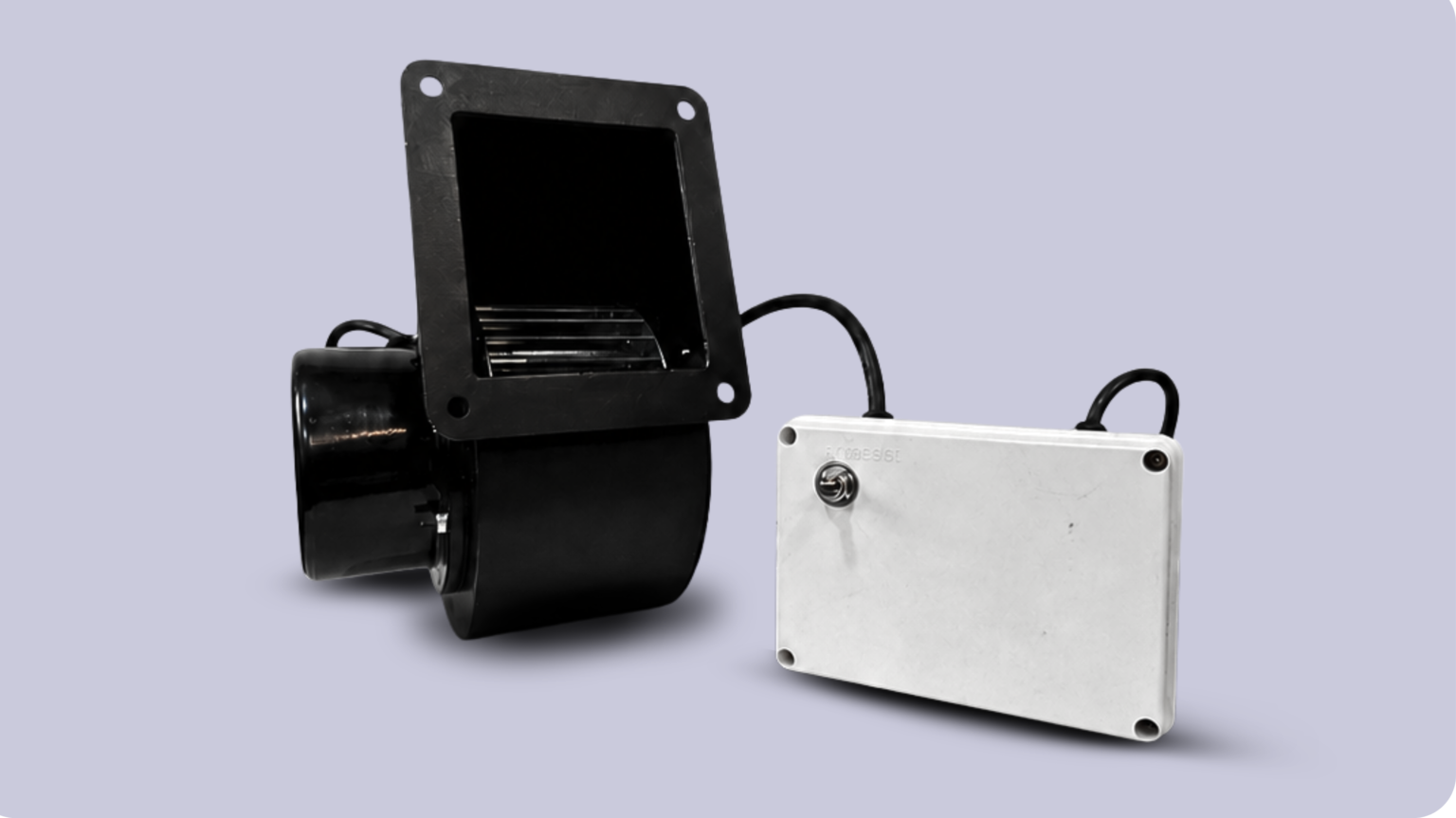
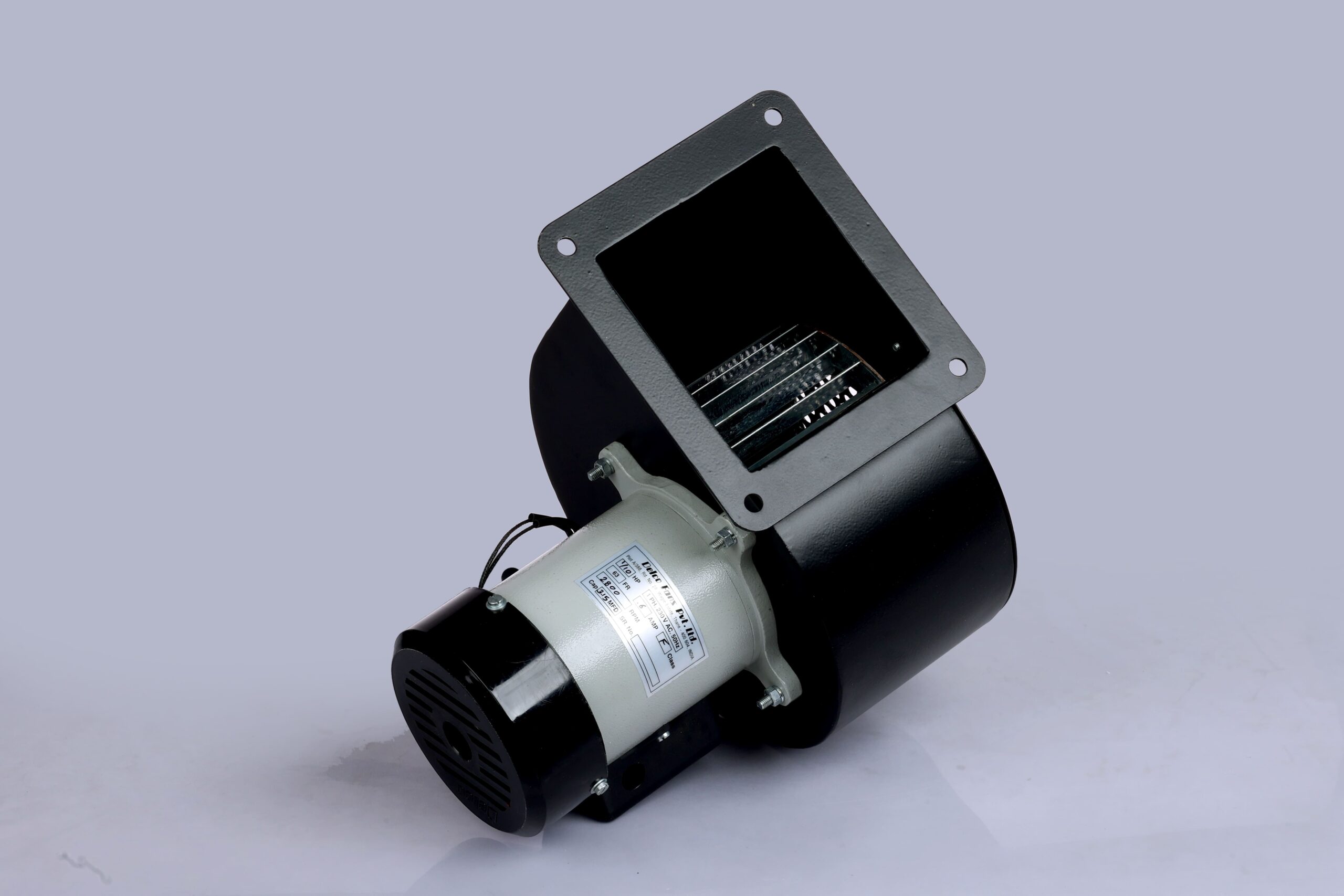
Centrifugal Blower for high static pressure electrical panels

Single-Inlet Centrifugal Blowers

High-pressure scroll blowers engineered for densely populated control panels with HEPA or fine-grade particulate filter mats where conventional axial fans stall.

Spec Sheet Available
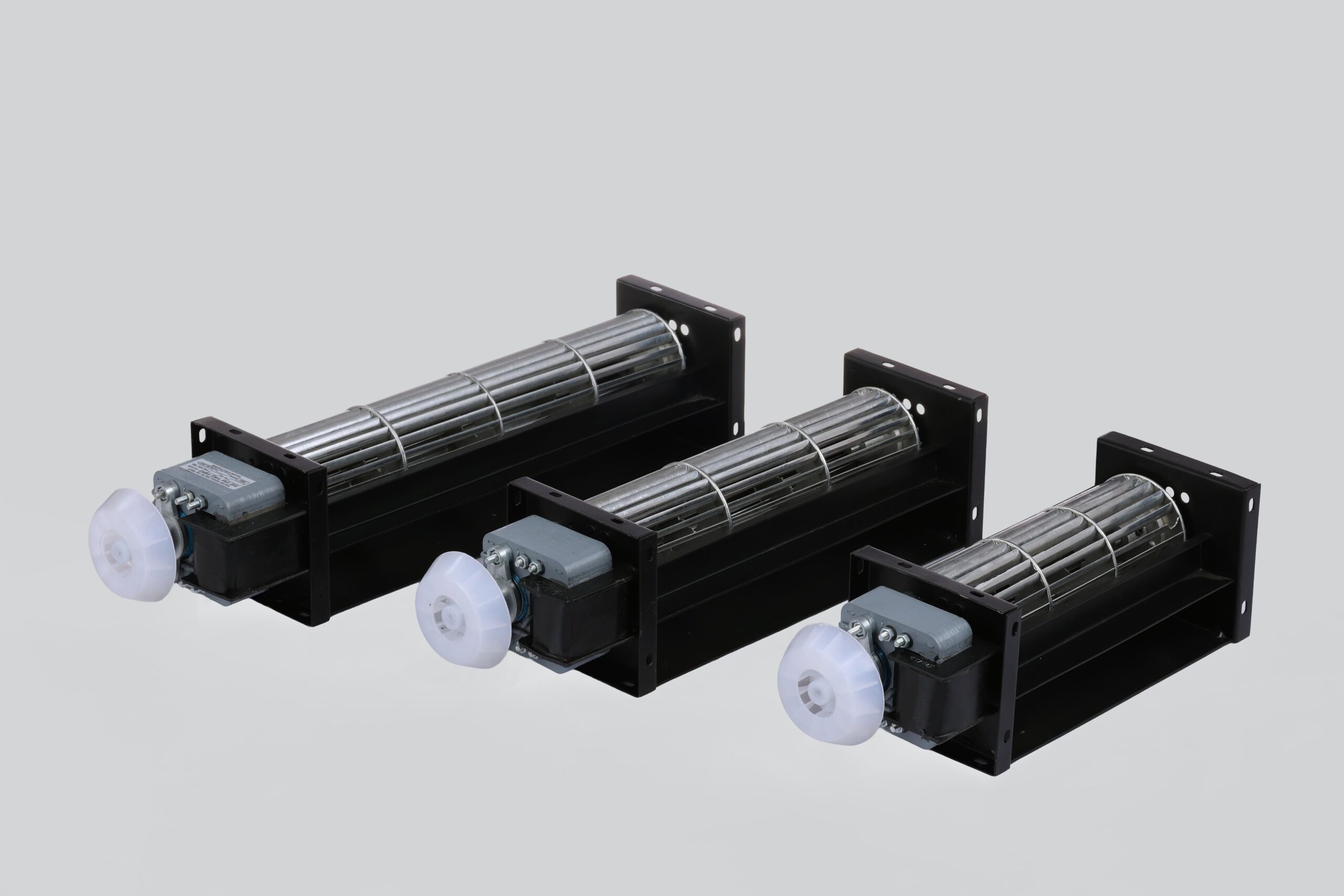
Tangential cross flow fans for cabinet door cooling

Tangential / Cross-Flow Fans

Deliver a wide, uniform air curtain across slim enclosure profiles, server racks, and distribution panels. Ideal for eliminating vertical thermal stratification in shallow depth cabinets.

Spec Sheet Available
Customized EC blowers for smart electrical control cabinets

Customized EC (Electronically Commutated) Blowers

Ultra-efficient brushless DC motor technology with integrated 0-10V / PWM speed modulation. Enables automated variable-speed cabinet cooling, reducing power draw by up to 60%.

Spec Sheet Available
Technical Comparison

Selecting the Right Thermal Solution for Enclosure Envelopes

Compare airflow characteristics, static pressure tolerance, ingress suitability, and typical panel applications across our core thermal product lines.

Cooling System Type Airflow Profile Static Pressure Capacity Typical Ingress Rating Best-Fit Panel Application
Filter Fan Units (Axial) Direct high-volume stream Low to Moderate IP54 / IP55 (with filter) Standard electrical control panels, PLC enclosures, MCC cabinets
Single-Inlet Centrifugal Blower Concentrated right-angle discharge High to Very High IP54 / IP55 custom scroll VFD switchgear panels, dense drive cabinets, high-dust industrial plants
Cross-Flow / Tangential Fan Wide uniform linear air curtain Low IP20 / IP40 internal mount Shallow electronics racks, busbar cooling, localized component spot cooling
Backward Curved EC Centrifugal Unit Radial 360° air distribution Very High IP55 / IP65 motor unit Smart outdoor enclosures, solar inverter cabinets, telecommunications shelters
AC Shaded Pole Frame Fan Localized linear axial path Low IP20 / IP40 open frame Internal mixing fans to break up internal stagnant heat pockets
Why Partner With Delco Fans

Five Decades of Industrial Manufacturing Discipline

Since our founding in 1974 at Wagle Industrial Estate, Thane, Delco Fans Pvt. Ltd. has maintained complete in-house manufacturing control over every motor and air-moving system we supply to OEM partners globally.

Unlike assembly-only vendors who trade imported component off-the-shelf fans, Delco engineers every motor stator winding, rotor balancing, bearing housing fit, and impeller profile on our shop floor. This deep vertical integration gives us the flexibility to adapt voltage, frequency, mounting footprints, and thermal protection specs precisely to your electrical enclosure drawings.

  • In-House Tooling & Coil Winding: Total quality control over copper wire gauge, varnish impregnation, and Class B/F/H insulation systems.
  • 100% Routine Testing Protocol: Every production batch undergoes electrical dielectric safety testing, locked-rotor tests, and dynamic vibration balancing.
  • Custom OEM Engineering: Rapid prototyping for special shaft profiles, non-standard mounting flanges, and extreme ambient temperature duty.
  • Long-Term Lifecycle Stability: We maintain tooling records for decades, guaranteeing replacement unit availability and BOM consistency for long-running panel models.
Get Catalog
Delco Fans engineering team inspecting electrical panel blowers in Thane factory
AI Search & Buyer Intent FAQ

Frequently Asked Questions: Electrical Panel Sourcing & Thermal Engineering

Comprehensive answers to common technical queries raised by global procurement leaders and control panel engineers.

The choice is dictated primarily by static pressure drop across the enclosure openings:

  • Use Axial Fans when the cabinet path has low resistance (e.g., standard inlet louvers without heavy filter media) and requires high volume, free-blowing air movement.
  • Use Centrifugal Blowers when the air must be pushed through dense IP55 filter mats, compact component racks, or narrow duct channels. Centrifugal impellers generate significantly higher static head pressure, preventing airflow stall under dirt-loaded filter conditions.

Positive pressurization involves mounting a filtered fan unit at the bottom of the electrical enclosure to blow clean air into the cabinet. This creates a higher pressure interior relative to the room ambient environment.

As a result, clean air constantly vents outwards through cabinet seams, door latches, and cable gland cutouts. Conversely, negative exhaust ventilation (sucking air out from the top) creates internal vacuum draw, pulling unfiltered dust, moisture, and conductive particles in through every unsealed panel crack.

For industrial control panels operating 24/7 in elevated ambient temperatures (>40°C), double-shielded precision ball bearings with high-temperature synthetic grease are strongly recommended over standard sleeve bearings.

Ball bearings maintain stable L10 service life (typically 40,000 to 70,000 hours) regardless of mounting orientation (vertical, horizontal, or angled). Sleeve bearings suffer rapid lubricant dry-out when operated at elevated internal cabinet temperatures or mounted in non-vertical orientations.

Electrical panel fans generate their own internal motor winding heat while operating inside an already hot enclosure. Standard Class A insulation (rated to 105°C) is inadequate for enclosed industrial panels. Delco utilizes Class B (130°C) and Class F (155°C) copper winding insulation systems as standard, ensuring thermal safety margins even during peak summer ambient conditions.

We tailor fan and blower builds to exact OEM drawing requirements, including custom mounting plate dimensions, specialized wire harness lengths and IP-rated quick-connect plugs, custom dual-voltage windings (110V/230V AC or 24V/48V DC/EC), marine-grade anti-corrosion coatings, and integrated thermal cutoff switches.

EC motors integrate permanent magnet rotors with onboard electronic switching, achieving up to 85% motor efficiency compared to 30-40% in standard shaded pole AC motors. By adjusting speed automatically via 0-10V temperature sensor feedback, EC blowers lower electrical power draw, reduce thermal strain on the cabinet supply transformer, and double operational service life.

Request Technical Specifications & OEM Pricing

Speak directly with our thermal application engineers in Thane. Get customized performance curves, 3D CAD models, and factory-direct pricing for your electrical panel & enclosure projects.

Get Catalog Contact Engineering