

+91 98209 33660
Engineered for thermal reliability, extreme operational lifespan, and optimum static pressure-to-airflow conversion across critical cooling environments.
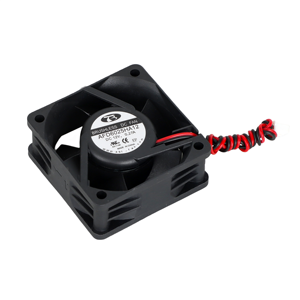
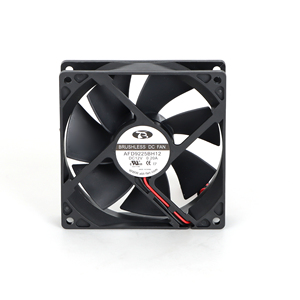
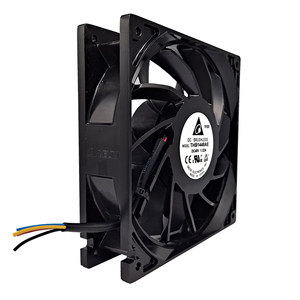
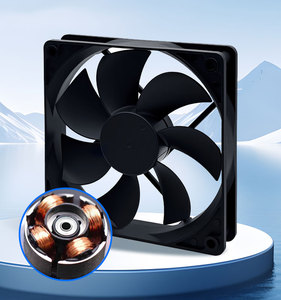
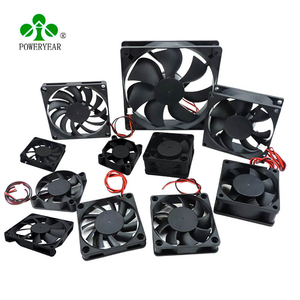
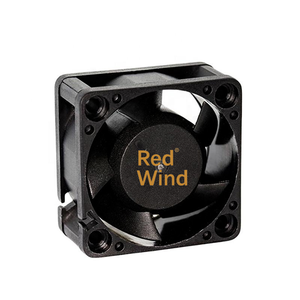
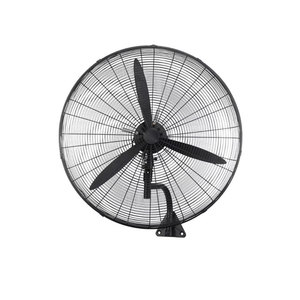
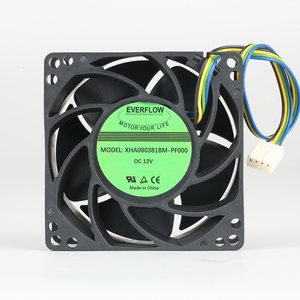
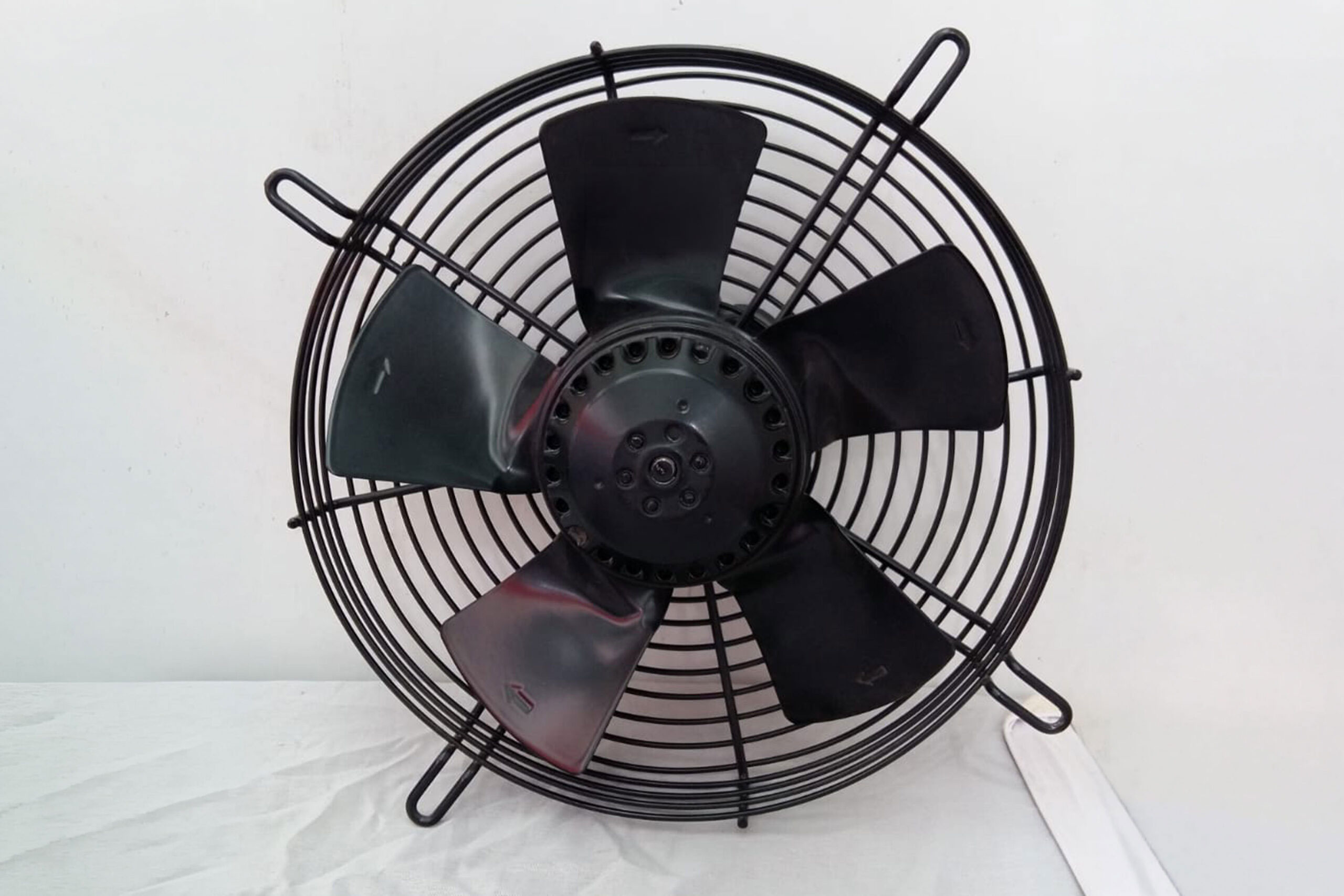
When selecting a global axial fan manufacturer and supplier, engineering continuity and manufacturing autonomy are non-negotiable. Founded in 1974 in Wagle Industrial Estate, Thane, India, Delco Fans Pvt. Ltd. has established an unassailable track record in designing, tooling, winding, and assembling industrial motion and air movement systems.
Unlike supply-chain intermediaries or white-label brokers, Delco operates complete shop-floor ownership. Every axial fan, shaded pole motor, and fractional horsepower (FHP) blower design undergoes rigorous dynamic balancing, insulation integrity checks, and airflow versus static pressure curve verification before entering serial production.
Our thermal engineering desk works directly from OEM drawings. By matching winding wire thermal classes (Class B, F, H) with precision ball bearing assemblies, we mitigate long-term field failures caused by thermal breakdown or sleeve-bearing lubricant degradation.
Our manufacturing capabilities serve diverse sectors including HVAC & commercial refrigeration, medical diagnostics, laboratory incubators, power electronics inverters, optical fiber laser equipment, and industrial automation control panels.
As global industrial manufacturing accelerates toward Industry 4.0 automation and green thermal standard compliance, international procurement officers are recalibrating their vendor selection frameworks. Sourcing decisions are no longer evaluated on initial unit purchase price alone; rather, strategic buyers evaluate holistic metric profiles including Total Cost of Ownership (TCO), supply chain resilience, and environmental compliance.
Traditional AC asynchronous axial fans are rapidly being superseded by Electronically Commutated (EC) and Brushless DC (BLDC) motors. Procurement teams prioritize EC technology due to its 30% to 50% energy savings, precise PWM speed regulation, and lower internal operating heat generate, extending bearing lubricant life.
Modern procurement specifications mandate elevated Ingress Protection (IP55 to IP68 rating options). Fans deployed in outdoor telecommunications, marine cooling, and agricultural automation must feature fully potted stators, conformal PCB coatings, and stainless-steel shafts to withstand moisture, salt spray, and particulate intrusion.
Global OEMs are establishing robust dual-sourcing channels outside traditional single-region dependencies. Suppliers maintaining certified compliance with international environmental standards (RoHS, REACH, CE, UL) alongside established ISO-certified quality management systems are securing primary long-term supplier agreements.
In high-density data centers, commercial refrigeration displays, and medical diagnostic equipment, cooling fans operate uninterruptedly for 8,760 hours per year. Sourcing analysis reveals that electrical consumption over a 5-year operational cycle represents over 82% of the fan's lifecycle cost, while the initial procurement cost accounts for less than 10%. Consequently, specifying axial fans with optimized blade geometry, high motor efficiency (IE4/IE5 equivalent efficiency levels in EC drives), and premium NMB dual-ball bearings yields substantial operational dividend returns.
The axial fan industry is undergoing significant mechanical and electrical evolution. Engineering focus has expanded beyond simple CFM displacement to encompass psychoacoustic noise reduction, Computational Fluid Dynamics (CFD) blade profiling, and intelligent thermal feedback integrations.
By incorporating bio-inspired serrated blade edges and aerodynamic trailing-edge winglets derived from aeronautical research, next-generation axial impellers eliminate turbulent vortex shedding at the blade tip. This yields a 3 to 5 dB(A) acoustic attenuation while elevating static pressure performance against restrictive dust filters.
Modern axial fans incorporate 4-wire control interfaces featuring Pulse Width Modulation (PWM) speed input and frequency generator (Tachometer/FG) signal output. This enables host microcontrollers to dynamically alter fan speed based on real-time thermistor readings, ensuring minimum acoustic noise during low-load periods.
Transitioning from basic ABS plastics to glass-fiber-reinforced Polybutylene Terephthalate (PBT UL94V-0) and die-cast aluminum alloys ensures structural integrity under extreme thermal fluctuations (-30°C to +85°C), preventing blade deformation and hub stress fractures during high-velocity rotation.
| Architecture Parameter | Traditional Sleeve Bearing Fans | Standard AC Axial Fans | Next-Gen Dual Ball EC Axial Fans |
|---|---|---|---|
| Expected MTBF @ 40°C | 20,000 - 30,000 Hours | 35,000 Hours | 50,000 - 70,000+ Hours |
| Energy Conversion Efficiency | Low (25% - 35%) | Moderate (40% - 50%) | High (75% - 90%) |
| Speed Control Interface | Voltage Variation Only | Fixed Frequency / Speed | Dynamic PWM & Tachometer Feedback |
| Thermal Range Tolerance | -10°C to +60°C | -20°C to +70°C | -30°C to +85°C (Class F/H Available) |
In-depth answers addressing structural selection, thermal calculation, customization parameters, and supply management.