
+91 98209 33660
Engineered for industrial automation, HVAC systems, fluid equipment, and heavy-duty machinery. Explore verified product configurations below.
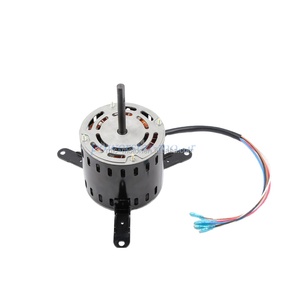
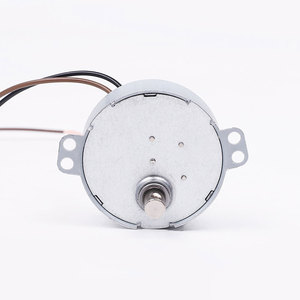
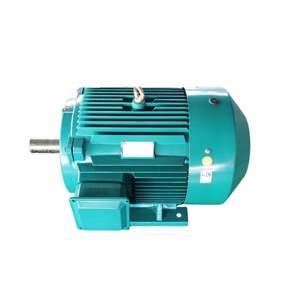
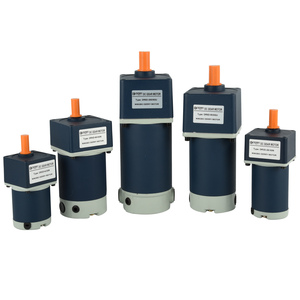
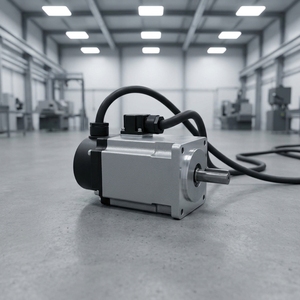
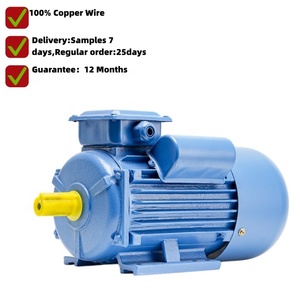
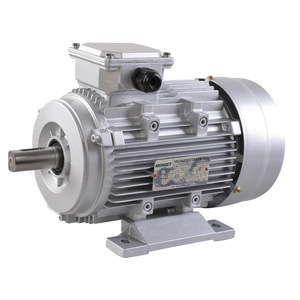
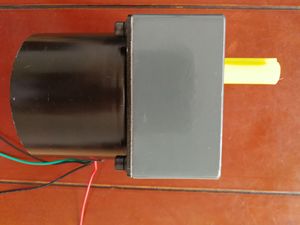
Navigating China's vast gear motor manufacturing ecosystem requires rigorous technical validation. True OEM reliability is established on the factory shop floor through metallurgical precision, tight machining tolerances, and stringent thermal testing.
High-tier factories employ CNC gear grinding and carburizing heat treatment (surface hardness HRC 58-62) for 20CrMnTi gear steel, ensuring tooth accuracy within ISO 6 / AGMA 11 standards for sub-55 dB ultra-quiet operation.
To eliminate field winding burnouts, leading Chinese exporters utilize 99.99% pure grade H/F enamelled copper wire (up to 180°C thermal endurance), combined with Vacuum Pressure Impregnation (VPI) for superior dielectric strength.
Every gear motor baseline is validated using dynamic dynamometer load testing, full S1 continuous duty thermal-rise measurement, locked-rotor tests, and 100% high-voltage insulation breakdown testing prior to export dispatch.
When sourcing gear motors for heavy industrial fluid handling, HVAC ventilation, or automated packaging equipment, international buyers often face a choice between standard stock gearboxes and application-tailored motion solutions. Top-tier Chinese gear motor factories have evolved far beyond basic assembly. Today's industry leaders integrate complete vertical manufacturing capabilities—including in-house die casting of aluminum enclosures, automated stator winding, planetary gear shaft turning, and automated dynamic rotor balancing.
By leveraging application-driven co-engineering, international OEMs can specify precise backlash limits, custom shaft profiles (D-cut, keyed, splined), custom voltage windings (e.g., 115V 60Hz North American spec vs 230V 50Hz EU spec), and specialized IP ratings (IP55 to IP67 water-submersible sealing). This level of customization reduces mechanical interface friction, extends gear reducer operating life past 20,000 continuous hours, and minimizes warranty exposure for equipment exporters.
A comparative engineering reference guide for procurement managers and mechanical design engineers evaluating gear motor selection parameters.
| Gear Reducer Type | Typical Efficiency | Backlash Range | Torque Density | Primary Industrial Application |
|---|---|---|---|---|
| Inline Helical Gear Motor | 94% - 98% | 10 - 20 arcmin | High | Continuous conveyors, mixers, industrial blowers, agitators |
| Worm Gear Motor (Right-Angle) | 55% - 85% | 20 - 45 arcmin | Medium (Self-Locking) | Vending systems, medical beds, automated doors, hoists |
| Precision Planetary Gear Motor | 90% - 96% | < 3 - 8 arcmin | Ultra-High | Robotic positioning, CNC machinery, servo actuators |
| Hypoid & Bevel Reducer | 90% - 95% | 8 - 15 arcmin | Very High | Heavy material handling, packaging machinery, logistics automation |
| Shaded Pole Geared Motor | 35% - 50% | 30 - 60 arcmin | Low-Medium | Pellet stoves, ice makers, display turn-tables, dampers |
Requesting quotes from Chinese gear motor exporters without defining exact mechanical and electrical constraints leads to mismatched performance expectations. Professional procurement directors should always include the following verified technical attributes within their initial RFQ package:
Key technological transformations shaping Chinese motor manufacturing, export standards, and global OEM adoption.
Driven by strict global energy regulations (EU EcoDesign & US DOE standards), Chinese exporters are transitioning production lines from IE2/IE3 induction motors toward permanent magnet synchronous motors (PMSM) and electronically commutated (EC) BLDC gear drives, cutting operational power consumption by up to 25%.
The next generation of industrial gear motors exported from China increasingly features integrated VFD controllers, embedded vibration sensors, and real-time thermal monitoring chips. This enables predictive maintenance algorithms that alert plant managers before gear tooth wear or bearing failure occurs.
Advancements in planetary geometry, strain-wave robotic gearing, and synthetic lubrication formulations allow manufacturers to achieve double the torque output within frame sizes 30% smaller than legacy industrial gearboxes, supporting the miniaturization of automation equipment.
Mitigate international procurement risks by validating factory operational maturity through this structured audit process.
Verify supply chain integrity of incoming copper wire purity, lamination steel core loss ratings (e.g., 50WW600 grade), gear alloy certifications, and bearing brand origin (NSK, SKF, or premium domestic bearing lines).
Inspect factory CNC gear hobbing capabilities, automated armature balancing equipment, and housing machining centers to confirm gear center-distance tolerances stay within ±0.01 mm.
Demand documented 100% routine testing logs covering no-load current, rotation direction, high-potential withstand voltage (1500V-1800V AC), vibration amplitude, and decibel noise room metrics.
Ensure the manufacturer maintains certified quality management systems under ISO 9001:2015, alongside product safety marks including CE, UL, CSA, RoHS, and ATEX explosion-proof compliance where required.
Expert answers addressing practical concerns of global OEM buyers, procurement engineers, and gear motor importers.
Connect directly with specialized motor engineers to evaluate duty points, gear reduction ratios, torque curves, and volume pricing tailored to your application requirements.