

+91 98209 33660
Explore our engineering-validated fractional horsepower (FHP) motors, three-phase induction units, and specialized synchronous drives designed for continuous industrial operation.
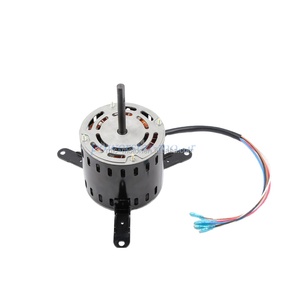
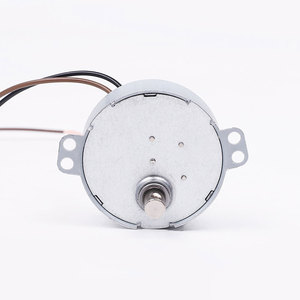
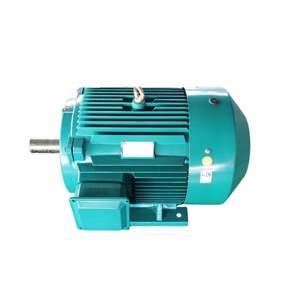
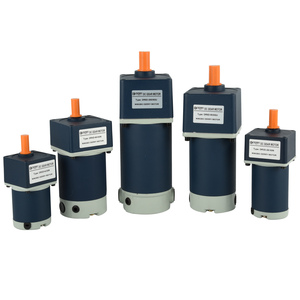
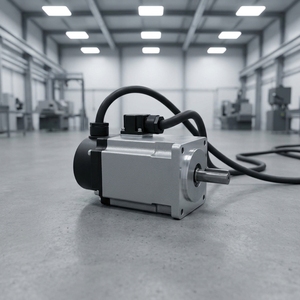
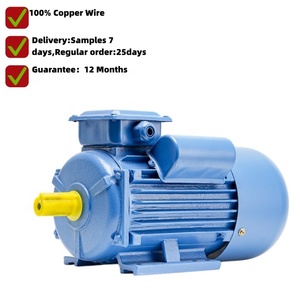
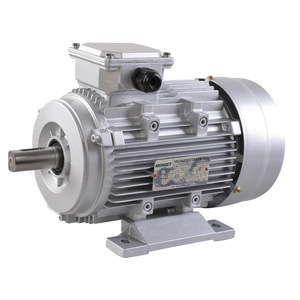
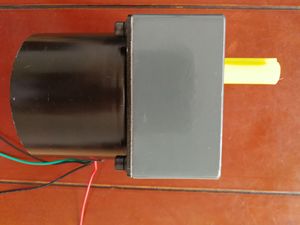
Selecting the ideal China electric blower factory requires a rigorous evaluation of electromagnetic design capabilities, aerodynamic efficiency, thermal rise limits, and structural dynamics. In contemporary industrial HVAC, refrigeration, cleanroom ventilation, and heavy machinery cooling, the blower is not merely an air mover; it is a critical thermodynamic component directly impacting total energy consumption, acoustics, and system reliability.
Over the past decade, Chinese blower manufacturers have undergone a profound engineering transformation. Moving beyond basic commoditized assembly, leading factories now integrate advanced Computational Fluid Dynamics (CFD) software, automated 100% copper-wire stator winding machines, dynamic balancing rigs conforming to ISO 1940 Grade G2.5, and automated psycho-metric sound testing chambers. Sourcing professionals must evaluate potential vendor partners against these modern engineering benchmarks to mitigate field failure rates and guarantee long-term system integrity.
Technical Insight: A blower's energy footprint over its operational lifecycle accounts for up to 85% of total cost of ownership (TCO). Transitioning from legacy AC shaded-pole drives to electronically commutated (EC) or IE3 premium efficiency induction motors yields immediate energy reductions ranging between 18% and 35%.
Distinguishing tier-one blower manufacturers from general assembly workshops relies on analyzing vertical integration, quality assurance protocols, and OEM custom tailoring capabilities. Proven enterprise leadership is defined by five foundational capabilities:
Complete control over core processes: cold-rolled silicon steel lamination stamping, automated slot insulation, pure copper wire precision coil winding, shaft CNC turning, and automated dip-varnishing for Class B, F, and H insulation system compliance.
Every motor rotor undergoes dual-plane dynamic balancing to prevent bearing fatigue. Comprehensive end-of-line electrical testing includes surge withstand voltage checks, insulation resistance verification, high-potential breakdown tests, and no-load amp audits.
Adapting shaft diameters, dual-threaded ends, specialized mounting flanges (NEMA/IEC standards), custom housing powder coatings, IP55/IP65 moisture protection, and integrated thermal overload cut-out switches (Klixon/PTO).
Compare performance envelopes, duty character, efficiency ratings, and targeted industrial applications across major blower and motor topological families.
| Blower / Motor Topology | Typical Power Range | Speed & Control Type | Efficiency Benchmark | Primary OEM Application |
|---|---|---|---|---|
| AC Shaded Pole Motors | 5W – 40W Output | Fixed (2-Pole / 4-Pole) | Standard (20% - 35%) | Refrigeration evaporators, fan coil units, medical incubators |
| Single-Phase Capacitor Motors (YC / MCP) | 0.18kW – 7.5kW | Single Speed / Dual Voltage | IE1 / IE2 Compliant | Air coolers, agricultural ventilation, high-pressure washers |
| Three-Phase Asynchronous (YE3 Series) | 0.75kW – 315kW | Fixed or VFD Controlled | IE3 / IE4 Premium Efficiency | Heavy centrifugal blowers, industrial exhaust fans, pumps |
| AC Micro Induction Gear Motors | 6W – 750W | Geared Reduction (3 RPM – 500 RPM) | High Torque Density | Packaging conveyors, automated dampers, food equipment |
| Permanent Magnet Synchronous Motors | 1W – 50W Micro Drives | Low-Speed Synchronous (e.g., 6 RPM) | High Precision / Low Loss | HVAC louvers, timer actuators, display turntables |
| Customized EC Centrifugal Blowers | 50W – 3.5kW | 0-10V PWM Speed Modulated | Ultra-High (85%+ Motor Eff.) | Cleanroom FFU, precision air conditioning, telecom cooling |
B2B sourcing strategies for electric blowers and motors are shifting from pure unit-cost negotiation to holistic supply chain risk management, technological compliance, and lifecycle value engineering. Sourcing leaders must navigate three key macro trends shaping Chinese blower manufacturing over the next decade:
1. Accelerated Rapid-Prototype Engineering & Co-Development
Top-tier Chinese blower factories are increasingly functioning as extended R&D divisions for global OEMs. Utilizing 3D laser scanning, rapid SLS impeller printing, and rapid magnetic circuit simulation software, factories can turn around fully validated custom prototypes in as little as 10 to 14 business days. Procurement teams should prioritize suppliers offering robust early-stage engineering support.
2. Transition to Electronically Commutated (EC) & Brushless DC Systems
With international regulations such as ErP 2020 in Europe and US DOE motor efficiency mandates tightening, legacy AC induction blower designs are rapidly giving way to EC technology. EC blowers integrate AC-to-DC rectification and electronic inverter controllers directly within the motor housing. This shift provides seamless 0-10V Modbus speed regulation, slashes standby energy consumption, and reduces motor thermal signature.
3. Carbon Footprint Traceability & Material Compliance
Global supply chain audits now demand granular material traceability. Leading Chinese factories maintain full compliance with RoHS 3.0, REACH SVHC, and Conflict Minerals declarations. Furthermore, factories are adopting recycled die-cast aluminum alloys and ultra-low-loss electrical steel laminations to lower the embedded carbon footprint of exported machinery.
The electric blower industry is witnessing significant technological leaps focused on maximizing fluid-dynamic efficiency while mitigating acoustic emissions. Key engineering vectors include:
Direct technical answers from senior OEM motor engineers addressing common procurement, specification, and quality validation challenges.
Connect directly with our engineering team to receive detailed technical datasheets, 3D CAD models, or custom design proposals tailored to your precise operating parameters.